
A Cuba in Convulsion
Havana, the Cuban capital, once a vibrant hub of Latin American culture and regional trade, now reflects a nation caught in the throes of a deep and accelerating crisis: the island is running out of fuel.
After losing oil supply from Venezuela and Mexico, Cuba’s underdeveloped power grid that runs primarily on fuel is failing. Without fuel, there is no power to heat, cook, or operate transportation, plunging the entire island into a state of emergency.
Food is scarce for many on the island, including Yuneisy Riveaux, a mother of two in Havana, who says that “things have gone terribly for [her]” since the cutoff of fuel. In an interview, she admits she is unable to feed her family. Speaking in Spanish, she recounts how some days “[she] manages to get food, but […] today, [she] has to bite [her] lip and swallow [her] tears because [she] doesn’t have lunch to feed [her] daughters.”
When walking along the streets of Havana, it is rare to find stores open for business, as most have permanently shut down. Arsenio Garcia, a 69-year-old TV producer living in Havana, describes it as “[getting] the feeling like [I am] living in a country where it is always Sunday [because I] go out on the street and basically everything is closed.”
The rapid deterioration of Cuba’s economy and energy infrastructure was hardly a surprise, as similar episodes have happened in Cuban history before. Following the collapse of the Soviet Union in 1991, Cuba was plunged into an eight-year prolonged period of severe power shortage and food insecurity as it struggled with the loss of its largest trade partner. Heavy reliance on Soviet support discouraged economic diversification and left Cuba’s economy sorely exposed when the USSR dissolved.

Then, in 1999, with the rise of socialism in Venezuela, Cuba was given a lifeline by Venezuelan president Hugo Chavez, who began sending oil to the island. The relationship continued with Chavez’s successor Nicolas Maduro, and Venezuelan oil continued to support Cuba’s economy until Maduro was overthrown by American forces in Caracas in January 2026.
With the second Trump administration taking office in 2025, American foreign policy underwent a seismic shift in Latin America. Following the capture of Nicolas Maduro in Caracas, America cut off all oil supply through tanker seizures and a naval blockade of Venezuelan oil to Cuba. Likewise, following escalating tariff threats from their northern neighbours, Mexico also promptly halted all oil shipments bound for Cuba.
The shift was spearheaded by Cuban-American Secretary of State Marco Rubio, who has long expressed his wish to bring about regime change against the current communist government in Havana, and is seen as the de facto architect of America’s foreign policy in the region. In March 2026, ahead of the G7 foreign affairs ministerial meeting in France, Rubio responded to journalists prompting him about his current stance towards Cuba:
“Cuba’s economy needs to change, and their economy can’t change unless their system of government changes. […] Who’s going to invest billions of dollars in a communist country run by incompetent communists?”
It is a position that the secretary of state, a son of Cuban immigrants, has held for years. Eleven years ago, when the Obama administration wanted to reopen ties with Havana in 2015, Rubio publicly criticised the move, calling the Cuban government “immoral [communists]” and the concessions of Washington “flat out dangerous.”
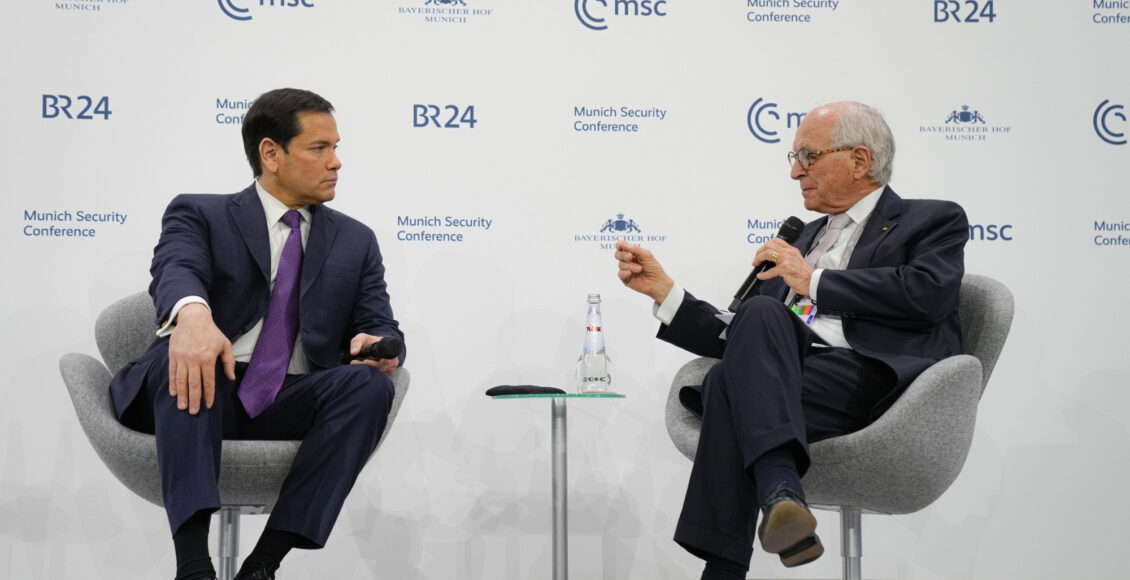
With Rubio at the helm of American foreign policy, he has led an aggressive operation to wear Cuba out through attrition, to choke the country by severing its supply of oil, and to cripple its economy by intensifying sanctions. Ahead of the Munich Security Conference in February, Rubio was prompted about his assessment of the current state of Cuba following the oil cutoff. He responded: “This is a regime that has survived almost entirely on subsidies—first from the Soviet Union, then from Hugo Chavez. […] For the first time, it has no subsidies coming in from anyone, and the model has been laid bare.”
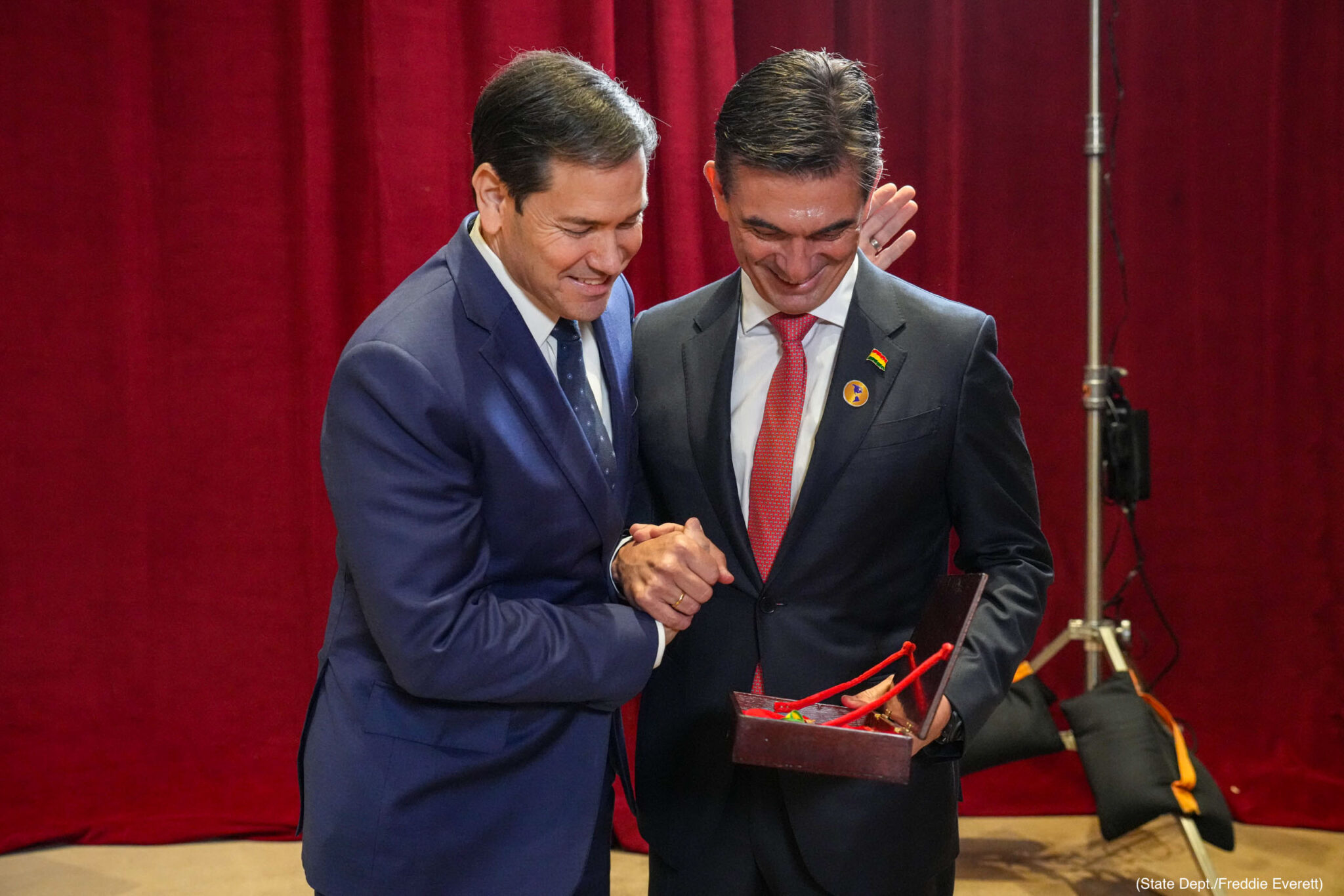
However, in a complete reversal of the status quo, the US Coast Guard allowed a Russian oil tanker to reach Cuba in late March, providing a month-long lifeline for the country. It remains to be seen whether Washington will take a more lenient stance on Cuba after weeks of intransigence.
Regardless, Rubio maintains that sustained pressure will force political reform, but that sustained economic pressure has disproportionately affected ordinary citizens rather than political elites.
The fuel cut-off has not only contributed to widespread shortages of food, medicine, and electricity for civilians, but also made it impossible for planes to refuel at Cuban airports. A lack of jet fuel has led to a near-full collapse of the tourism sector; most national flag carriers have paused all commercial flights to Cuba, and tourism has declined sharply. Tourism to Cuba, at its height before the COVID-19 pandemic, made up roughly 10 per cent of Cuban GDP per year, and was a major source of foreign currency into the country. However, many tourists are now looking elsewhere, and the largest demographic of tourists arriving in Cuba, Canadian snowbirds, have mostly suspended their vacation plans to the island.
One such visitor is Lorne Berkun, a resident of Vancouver, who organizes regular tour group trips to Cuba. He says that he had received only one request this winter, compared to around fifteen in previous years. Berkun says that with the current state of Cuba, “there’s no way [he] would take anybody now.”
And the Cuban people are not at all pleased with the state of their country. In March 2026, a round of power losses in Cuba spurred a violent protest in the city of Moron where the local Communist Party office was ransacked, and protestors burned various objects in defiance. Protesters caught on tape can be heard chanting: “Burn it all!”, and perhaps most poignantly, “Freedom!”
Yet, in spite of the tough living conditions and fiery demonstrations against the government, many are still hopeful of what the future of the country will look like, still optimistic that Cuba can be set on the right track again. As Gustavo Torres, a young 25-year-old art critic and historian, puts it: “Try to see the good in situations. Let’s laugh a little and let’s keep moving forward.”
Edited by Jacob Van Bergh
Featured Image: United States Secretary of State Marco Rubio speaks with Munich Security Conference chairman Wolfgang Ischinger at the Munich Security Conference in Munich, Germany. Photo by The US Department of State is in the public domain.


.jpg)