
How French “Manifestations” Differ From American Protest
History is littered with stories of uprisings, revolutions, and protests. From the American Revolution that won the United States its independence to South Africa’s anti-apartheid movement that started the process of dismantling a deeply racist system, protest has consistently been a force for enacting change. However, it is obvious today that not all protests are made equal, shaped by the context of regime, grievance, and government response. Notably, there is a significant difference between protesting in the United States and in European countries such as France and the United Kingdom. In the US, protests tend to be sparked by large political or societal concerns with an immediate trigger—one can point to the killing of George Floyd, for example, that precipitated the 2020 Black Lives Matter protests. Meanwhile, in Europe, the UK and, more particularly, France have different histories of protest in which petitioning and protesting are day-to-day, normalized parts of the political landscape. France’s youth are exposed to protest culture at a relatively young age, and whether they participate alongside their parents is a perennial topic of discussion.
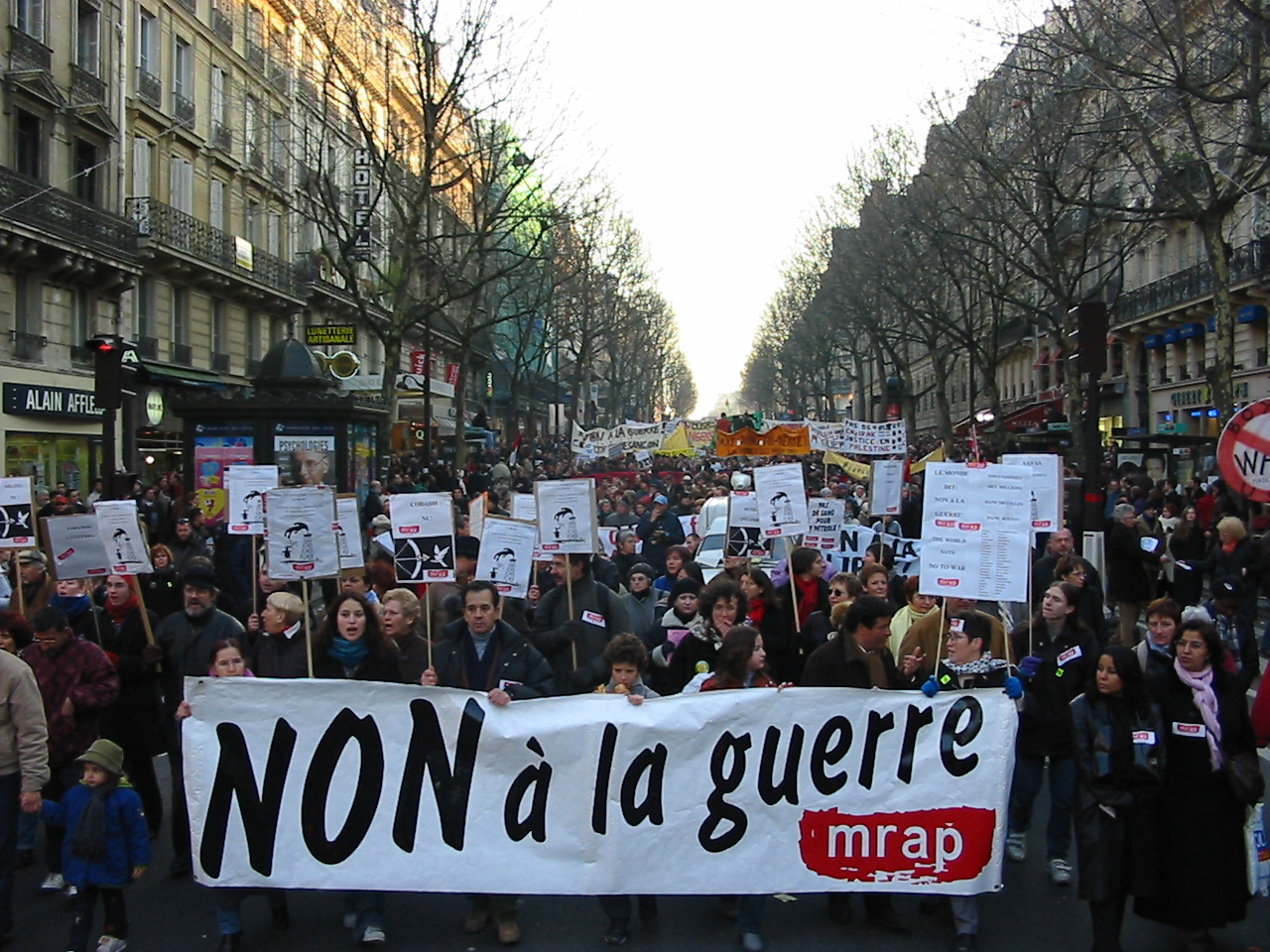
To properly understand the differences between American and French protest culture, it is important to examine the history of protests in both countries. In France, the tradition of protest and the belief in its impact stem from the French Revolution of 1789, which ended absolute monarchy—though monarchy itself made some notable comebacks in French history later on. The tradition of thousands taking to the streets to march for what they believe in is anchored in French culture. It is not uncommon for several of a student’s teachers to be absent on various days throughout the year to protest educational reforms and low budgets. Beyond that, the Société Nationale des Chemins de fer Français (SNCF), France’s state-owned railway operator, is famous for its strikes—as are the myriad unions throughout the country. For French citizens, the disruption of public services due to strikes is, compared to the United States, a common experience.
In the United States, protest does not carry the same legislative impact as it has historically in France. Though politically significant, events like the Boston Tea Party or the 2016 March on Washington did not, on their own, produce immediate legal change. Even the Civil Rights Movement, arguably the most defining era of protest in US history, achieved success through a combination of forces, including economic pressure, legal challenges, and shifts in public opinion and political leadership, rather than protest alone. Furthermore, the US’s strict two-party system sets it apart from the French political landscape. In France, there are more than four major parties with representatives in the General Assembly, one of the legislative bodies of the country. As a result, there are more opportunities for varied representation within the French population, often leading to closer ties between protest and political change. Both countries have a history of revolution, though orchestrated differently and with varying outcomes; their political cultures and landscapes, however, differ, leading to divergent consequences. While France’s culture encourages public dissent against governing bodies in the face of an unfavourable decision, the American political landscape makes it difficult to achieve results through protest alone, favouring more political means of creating change.
Beyond the cultural and political landscapes of these two countries, police oversight of protests is radically different. In France, despite an increase in police-protester violence in recent years, with important tensions arising especially during the Yellow Jackets movement, the police generally respect protests and only follow them to keep both protestors and the general public safe. In the United States, police are more heavily armed, and violence often escalates quickly. On top of that, the progressive militarization of the police since the late 19th century has increased the likelihood of violent repression of strikes and the risk of harm when attending a protest. Statistics show that, in 2022, there were 188,606 instances of use of force by the police on citizens in the United States—illustrating the disproportionate use of force by law enforcement. Overall, the cost of protesting in the US is significantly higher than in France, with the attendees facing not only violence during the event from the police but also legal repercussions later on.
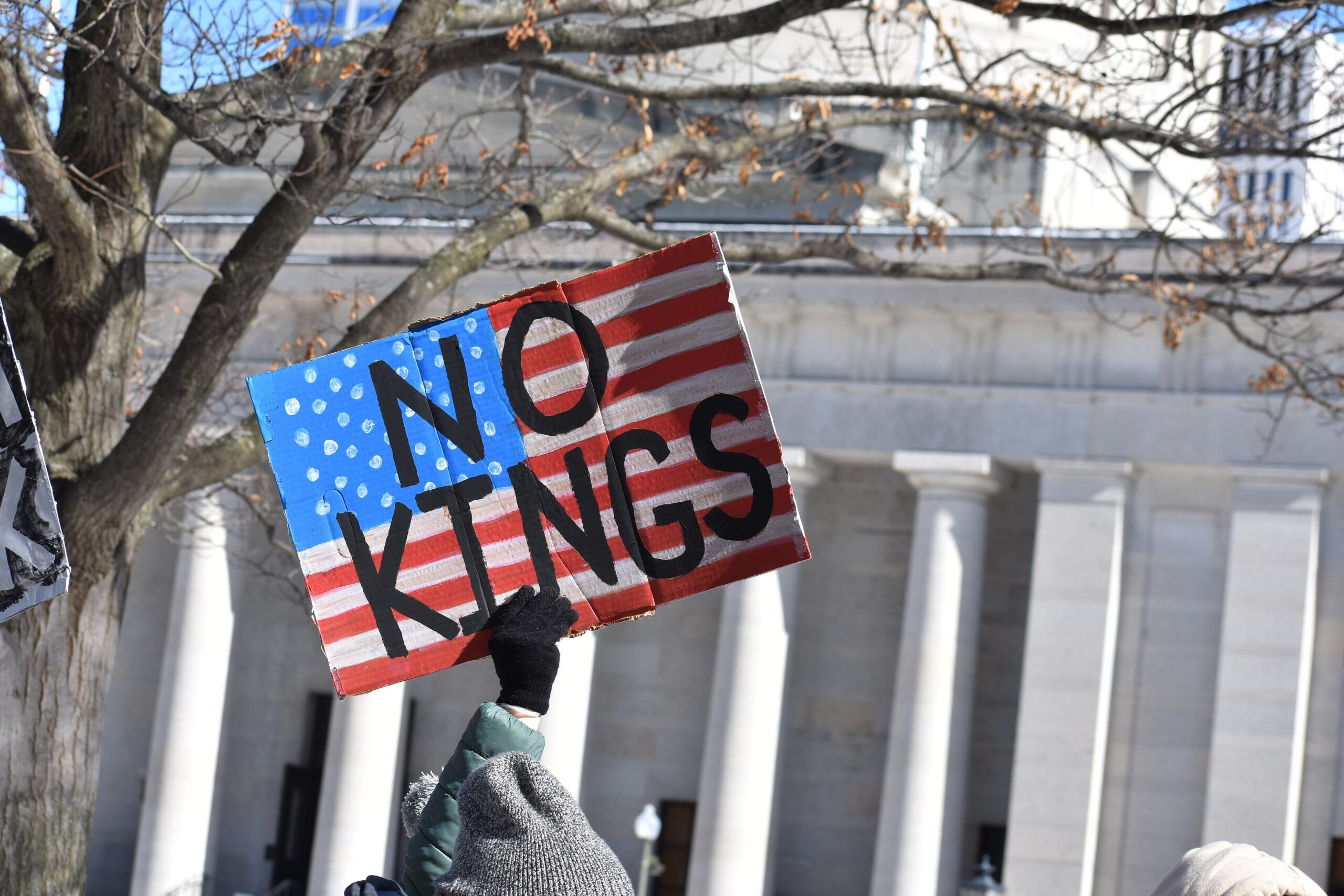
The culture and risks of protest are consistently different in France than in the United States. This division stems not only from differing histories—both countries addressed their issues of political and societal discontent differently—but also from differing political systems. The legislation governing protests varies widely, giving law enforcement different tools to address violence or illegal activity. The effect of these differences is a varying political landscape. France uses protests and strikes as tools to influence policy and draw attention to the important problems French citizens face across the country. In contrast, the United States uses these same tactics only as a last resort, following a grave incident that brought together a very large and divided population. As a result, protests are less common and less impactful. As a matter of fact, protests in the United States often tend to be very divisive, with some in American society opposing them and labelling movements as extreme or violent as a result. In terms of today’s problems, the presidency of Donald Trump faces contestation—especially in the context of the conflict with Iran—but the protests against his policies that do take place are not widely documented or impactful. The president and his cabinet continue to act according to plan, with little concern for citizens’ disapproval of these policies and goals. Though that has been the case in France as well, it is more likely that the governing body reaches a compromise with the protesting movement rather than bypassing their actions. Protesting is an integral part of French political culture, whereas for many Americans, it often feels optional.
Edited by James Knechtel
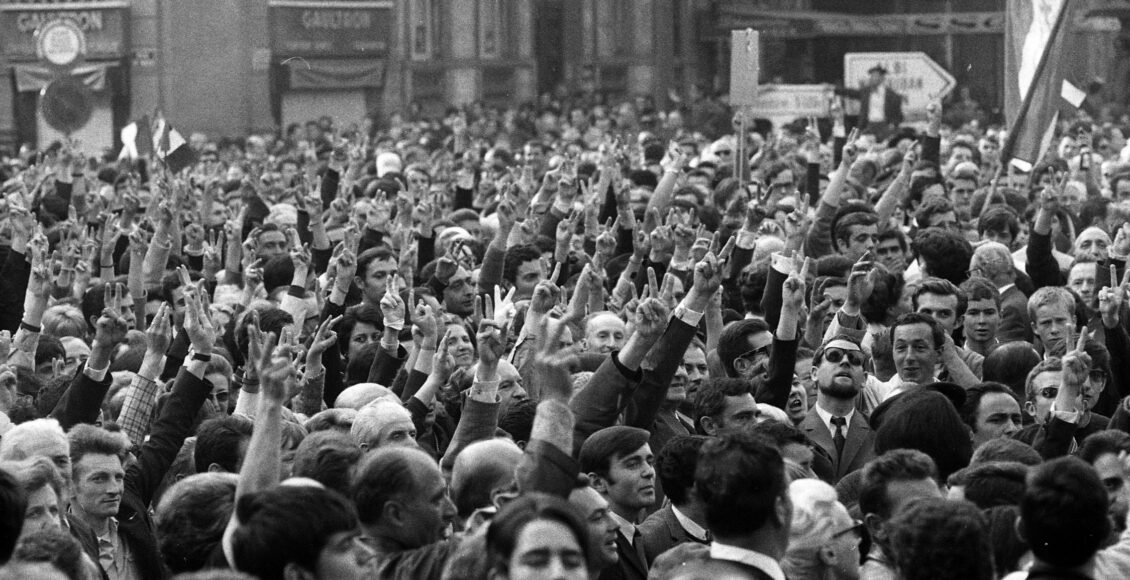
Featured Image: French protestors take to the streets of Paris during the May 1968 movement against the established government. Photo licensed under CC BY-SA 4.0.


