
Ebola’s Second Contagion: A Crisis of Narrative
On 21 May 2026, the family and friends of popular local footballer Eli Munongo Wangu gathered outside Rwampara General Hospital in Rwampara, a town in the DRC’s Ituri Province, demanding to receive his body for community burial. Days earlier, Wangu had been admitted to the hospital for Ebola symptoms. After Congolese authorities refused the crowd’s request, citing instructions on safe burial practices, the scene turned violent—protesters burned two hospital tents to the ground. In the chaos, several patients fled the area. Reports from the scene suggest that protesters believed they were being lied to by authorities and public health responders.
300 kilometres across the DRC’s eastern border, at a hostel in Kampala, Uganda, I scrolled through reports of the hospital attack in Rwampara. I’d come to Uganda on 14 May for an internship, meant to last until the beginning of July. As stories of East and Central Africa’s Ebola outbreak began to proliferate in the international news, my phone was bombarded with fearful texts from friends and family, urging me to leave Uganda. But despite being the site of Uganda’s confirmed Ebola cases, real life in Kampala did not evince an atmosphere of chaos. Locals in the city minimized their physical contact, diligently washed their hands, and reassured me that the crisis was under control. Uganda and the DRC’s porous border meant that both countries faced a high risk of transmission. Why did social responses to the virus seem so drastically different?
The Rwampara incident is one of several clashes between authorities and communities affected by central Africa’s ongoing Ebola outbreak. On 15 May, the DRC’s Ministry of Public Health, Hygiene, and Social Welfare publicly confirmed the presence of a rare and deadly strain of Ebola virus in the DRC’s Ituri Province; imported cases were also confirmed in Kampala. On 16 May, the World Health Organization (WHO) declared the spread of the Bundibugyo virus a public health emergency of international concern.
The 2026 Bundibugyo Ebola outbreak, like all public health crises, is not merely a health issue. It is a narrative event that takes on a variety of meanings through social, institutional, and cultural filters. What Priscilla Wald has called “outbreak narratives”—the stories people and institutions tell about disease emergence—have consequences for communities both near and far from the outbreak zone. How the risk of disease is narrated, and therefore perceived, is just as important as how the virus spreads from body to body. Outbreak narratives do not always reflect reality, but they do affect it.
The reach and speed of a country’s emergency outbreak response depends heavily on the public’s voluntary cooperation. Public resistance to health authorities reflects the systemic failure of humanitarian and state institutions to communicate a narrative of trustworthy disease response. As in dozens of reported attacks against healthcare responders, the hospital rioters in Rwampara were rejecting the expert assessment that the region required significant intervention by outside authorities. Instead, a different narrative managed to circulate amongst some communities: that under the guise of (a potentially manufactured) Ebola crisis response, public health authorities had designed interventions in the region to deny communities their traditions and their autonomy.
Suspicion towards authorities in the eastern DRC is not based in superstition or irrationality, but in centuries-old narratives of state neglect and predatory resource extraction. Since the 1990s, a near-continuous saga of warfare has led to mass displacement, property destruction, and death in the DRC’s eastern provinces. Trust in state and foreign institutions has been repeatedly undermined by the failure to prevent massacres, abuse from government soldiers, and accusations of widespread corruption. In 2019, for example, the country’s ruling national government leveraged Ebola risk as a political tool to justify suspending elections in key opposition strongholds. Subsequently, 1.2 million people were denied the ability to vote days before the election. During the same outbreak, the DRC’s highly visible Ebola task force and its high-paid international staff contrasted with the insecurity faced by locals, who at times reported a lack of engagement from local personnel.
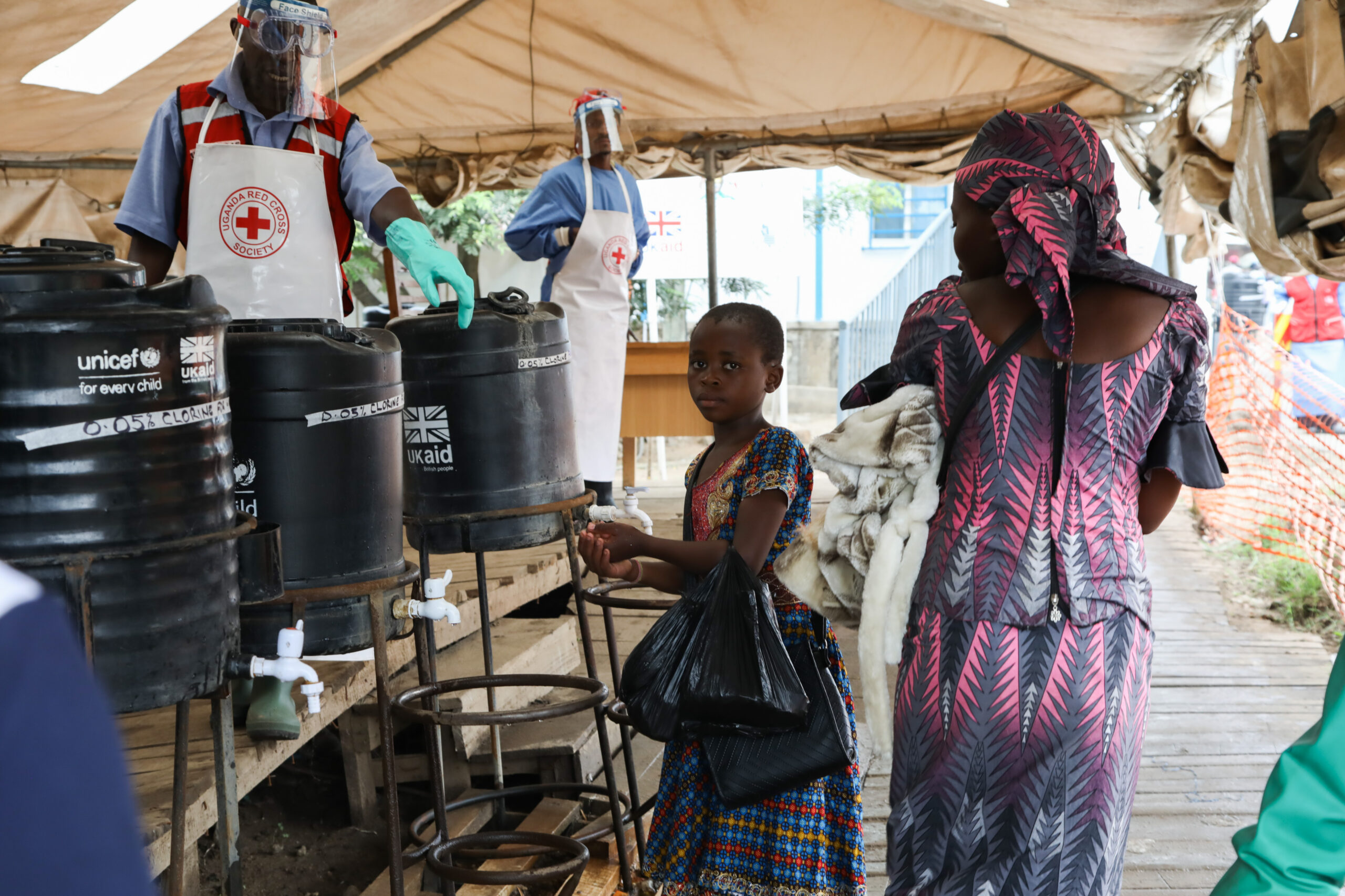
Despite facing the same virus, public response in Uganda has been strikingly different. As of late July 2026, the DRC recorded over 3,400 cases and 1,500 deaths; meanwhile, Uganda reported just 20 confirmed cases. In an outbreak that is governed by both virology and narrative, public trust in state and health institutions has played a major role in the country’s success. After experts confirmed Uganda’s first cases in late May, the Ugandan Ministry of Health (MoH) swiftly introduced a series of control measures, including contact tracing. All 836 contacts have since completed their follow-up with health officials and accurately reported their movements.
I was able to observe this public responsiveness firsthand during my time in Uganda. As I agonized over whether to stay in Kampala during the first weeks of the outbreak, I went to local friends and my Ugandan coworkers for advice. Almost everyone I spoke to told me not to worry; they were confident in their government’s ability to keep everyone safe. From their perspective, while a small risk of transmission remained, complying with the government’s recommendations was in everyone’s best interest. Their steadfast assurances seemed to be reflected in the city’s highly sanitized streets and markets. On daily commutes, yellow-vested workers with megaphones loudly urged the public not to shake hands.
Uganda’s risk communication efforts have drawn international praise for their success. The government’s suggestions for the public have ranged from the trivial, such as the MoH’s temporary ban on physical greetings, to more sensitive measures, such as the cancellation of mass religious gatherings. In both these cases, the public has largely complied.
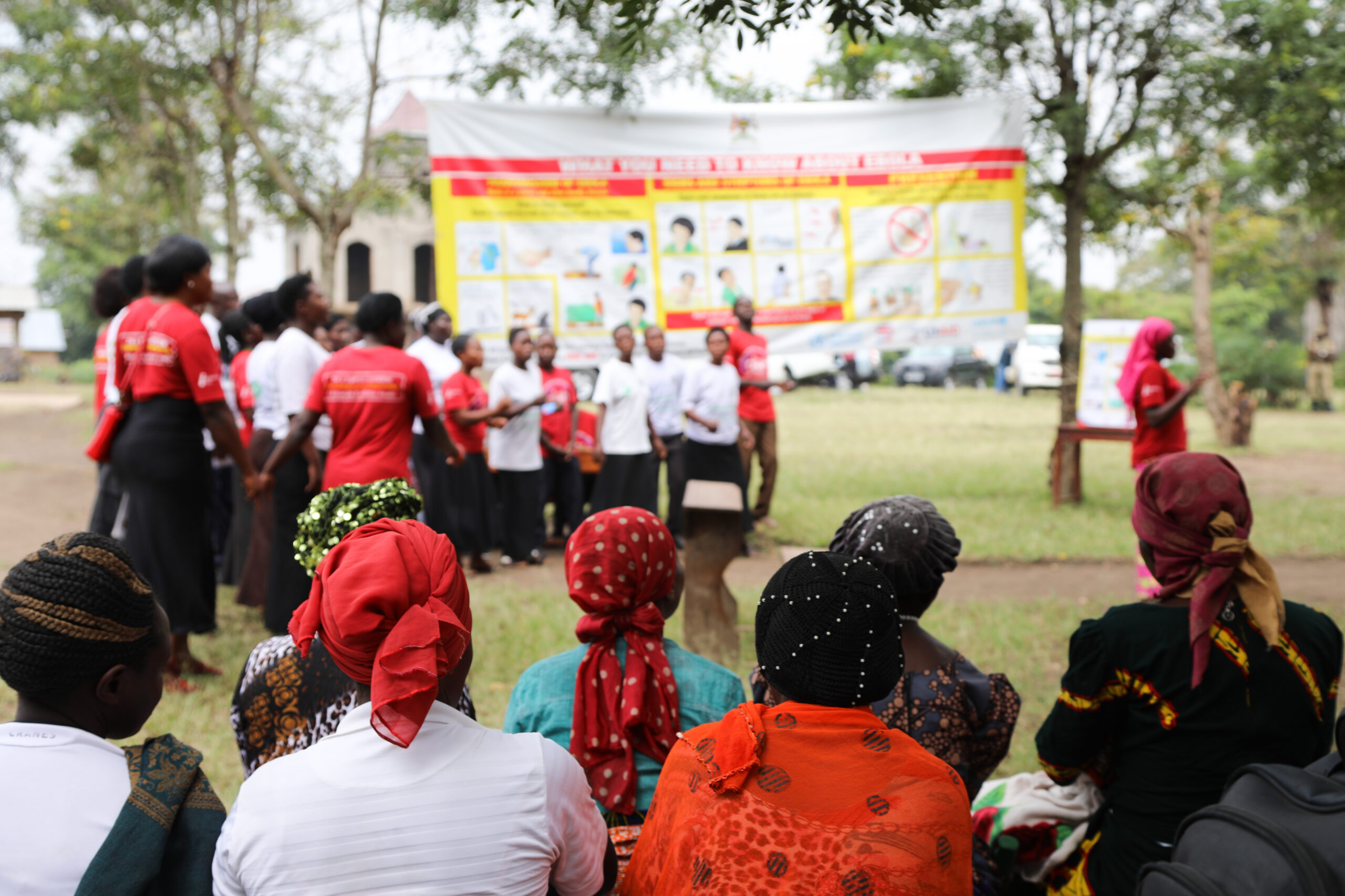
Why have Ugandans reacted so differently to the Ebola threat? Despite its own issues, Uganda’s long-standing government under President Yoweri Museveni has maintained relatively tight, unified control over its territory and institutions since the late 1980s. Uganda’s public health institutions have concurrently built public credibility through repeated successful outbreak containment and grassroots engagement with Ugandan communities. Since 2001, Uganda’s public health infrastructure has regularly connected communities with district health authorities through Village Health Teams (VHTs) and local clinics, filtering key information through a network of trusted local figures. Similarly, at the onset of the COVID-19 pandemic, Uganda’s Ministry of Health developed systems designed to collect perceptions and rumours about the virus. These national community feedback tools created a model for Uganda to meaningfully address future public health emergencies. When paired with broader stability and with long-term investments in risk communication, each successful disease response has reinforced the public’s belief that health workers are there to help
As of this writing, Uganda has successfully discharged its last Ebola patient, with no new community transmission reported. The public’s role in Uganda’s success is a testament to how public narratives tangibly affect disease response. Despite what health experts might write or say on the risk of infection, communities interpret what they hear very differently; the stories they tell are crafted over years—even generations—of interaction with institutions, outsiders, and previous epidemics. During moments of crisis, these narratives have consequences. In Rwampara, they left tents in flames. Across the border, they empowered communities to take necessary measures to contain the virus.
Emergencies require that public health experts and institutions invest in building community trust. Only then can they hope to control outbreak narratives, and therefore the outbreaks themselves. If the world hopes to contain this and future crises, understanding how public narratives of disease are created and spread is just as crucial as understanding how infection itself spreads.
Edited by Daniel Sun
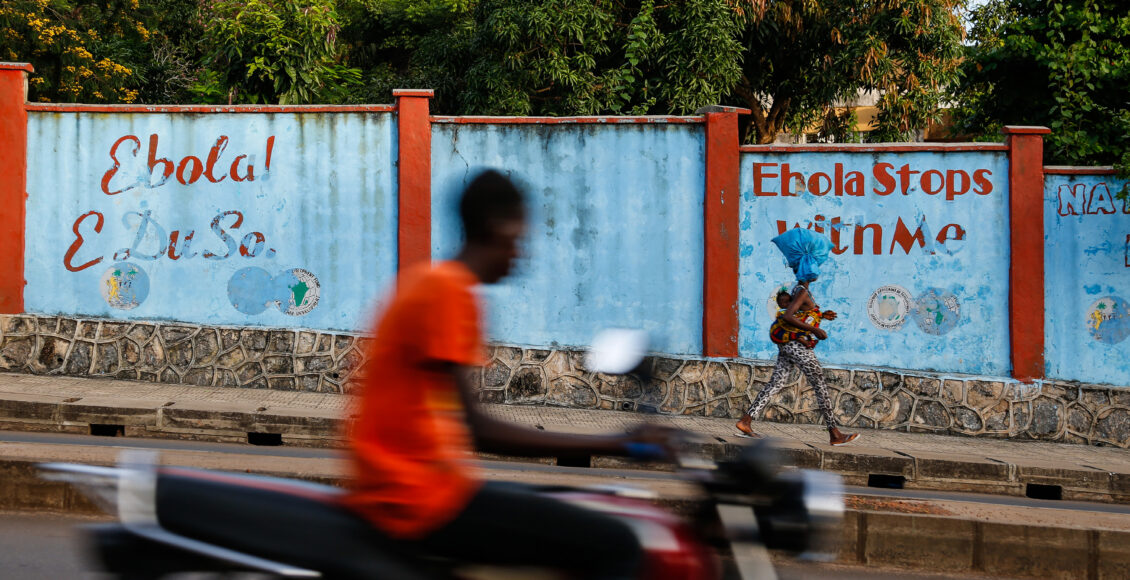
Featured Image: “Ebola stops with me.” Photo by DFID – UK Department for International Development is licensed under CC BY 2.0.
