
After 16 Straight Years in Power, Hungary’s Viktor Orbán Faces His Toughest Test Yet
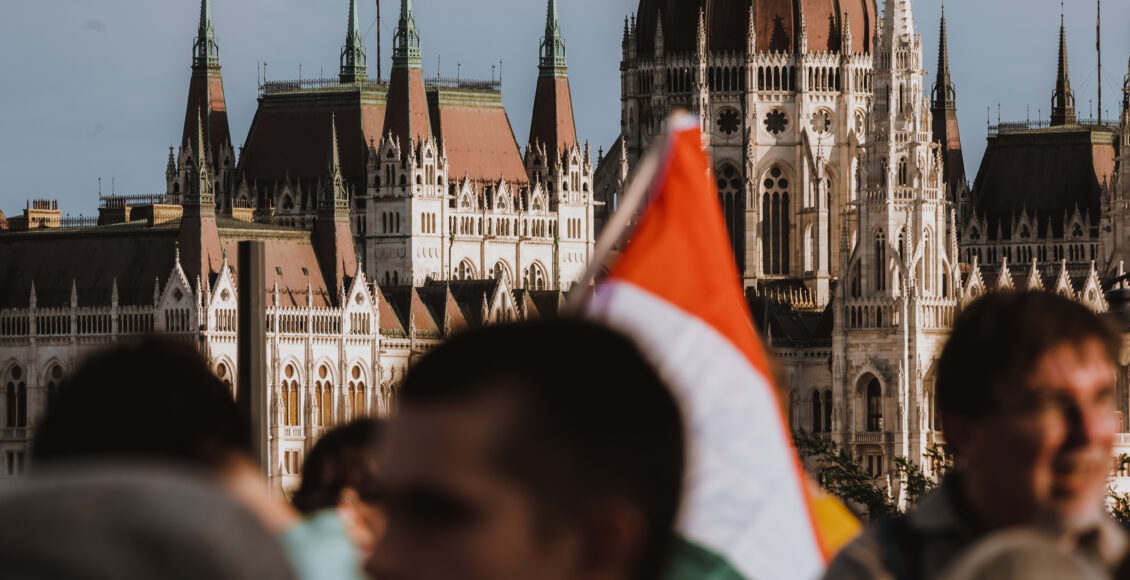
After 16 years under the illiberal regime of Viktor Orbán, the 2026 Hungarian election poses the most serious threat to his hold on power to date. The outcome of the election will determine whether Hungary can begin a return to democratic norms, reset its standing within the European Union, and weaken the resolve of global right-wing populism, of which Orbán is a central figure.
In 1991, Hungary experienced a peaceful democratic transition, ending decades of authoritarian communist rule and ushering in a multi-party democracy. Yet despite Hungary’s democratic consolidation and accession to NATO and the EU, the country has experienced considerable democratic backsliding at the hands of the once-liberal activist, Viktor Orbán. Orbán rose to power in the 2010 parliamentary elections, when the Young Democrats Alliance (Fidesz) won a parliamentary supermajority, securing two-thirds of the seats. Quickly thereafter, Orbán began eroding Hungary’s democratic institutions, notably by encroaching on judicial independence, curtailing press freedom, and engaging in electoral manipulation through gerrymandering. Taken together, these factors have substantially eroded democracy in Hungary, earning V-Dem’s classification of electoral autocracy.
However, this is not the end of the story for democracy in Hungary. The forthcoming elections, set to take place on April 12, pose the greatest threat to Orbán’s rule since coming to power in 2010. Orbán’s Fidesz has been eclipsed in the polls by the opposition Respect and Freedom Party (Tisza), led by the young and charismatic former Fidesz member Péter Magyar. Fidesz has been trailing Tisza in the polls for over a year now, with recent polling showing Tisza with a 20-point lead among decided voters. This shift can be attributed to growing opposition to Orbán from segments of the political right, driven by frustration with a stagnating economy—exacerbated by Russia’s 2022 invasion of Ukraine—and by continued corruption and clientelism.
A Tisza win could represent a crucial paradigm shift domestically for Hungary. A decisive victory for Tisza—one in the form of a parliamentary supermajority—would provide the opportunity to amend Hungary’s constitution. This would allow Magyar to restore key democratic principles subverted by Orbán, such as the rule of law, while also providing an opportunity to reverse the deep-rooted Fidesz institutional capture. However, a Tisza victory by a narrower margin will make meaningful change a slow fight, given that certain institutions and key positions will continue to be held by Fidesz-aligned individuals, which could serve as a bulwark against decisive institutional change. Despite this, a Tisza win could spell quick economic relief for Hungary, as the EU—through its rule-of-law conditionality—has frozen 18 billion Euros in funds destined for Budapest. Pending Magyar’s promised return to the rule of law and the end of Hungary’s estrangement from the EU, these funds would be unfrozen, thereby alleviating some economic stress. This would mirror the case of Poland, where 137 billion Euros in EU funds were unfrozen following a return to the rule of law after flirting with illiberalism under the far-right Law and Justice party.
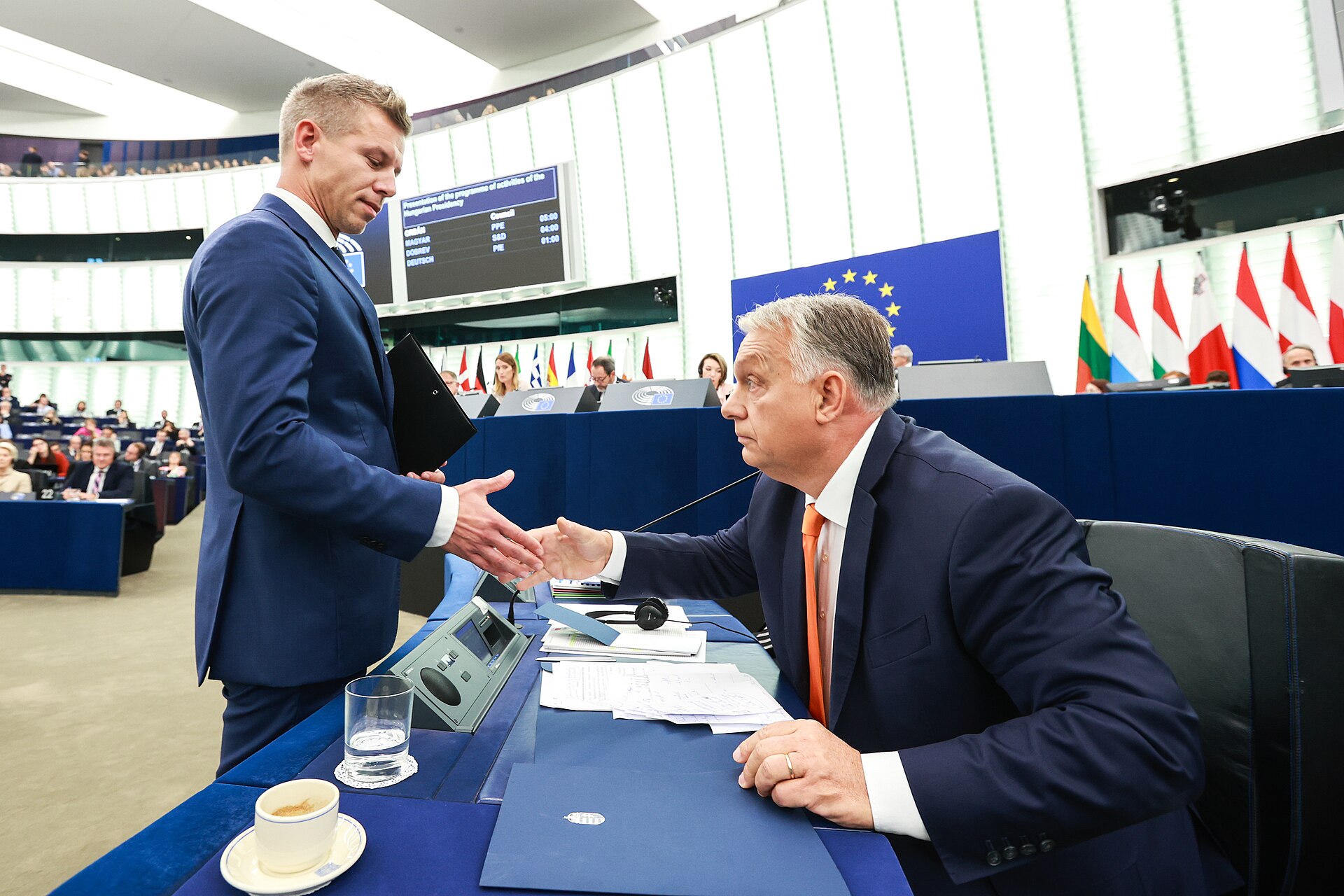
If Orbán is unseated in the upcoming election, the effects will be felt beyond Hungary’s borders as well. Currently the longest-serving head of government of an EU member state, Orbán has remained a persistent thorn in the EU’s side. Orbán has led the flock of far-right eurosceptic populists in Europe, with his overt opposition to the EU’s principles and policies. Likewise, Orbán has in recent times acted as a proxy for Russia in the EU, curtailing Ukraine’s accession to the EU through the use of its veto power, and stifling efforts to phase out the use of Russian oil. Orbán has caused such a headache for the EU vis-à-vis Russia and Ukraine that Brussels has considered doing away with the unanimity formula—needed for certain policy areas—to bypass gridlock in large part caused by Orbán’s Hungary. Thus, an Orbán defeat would prove beneficial for the cohesion of the EU and the promotion of its values.
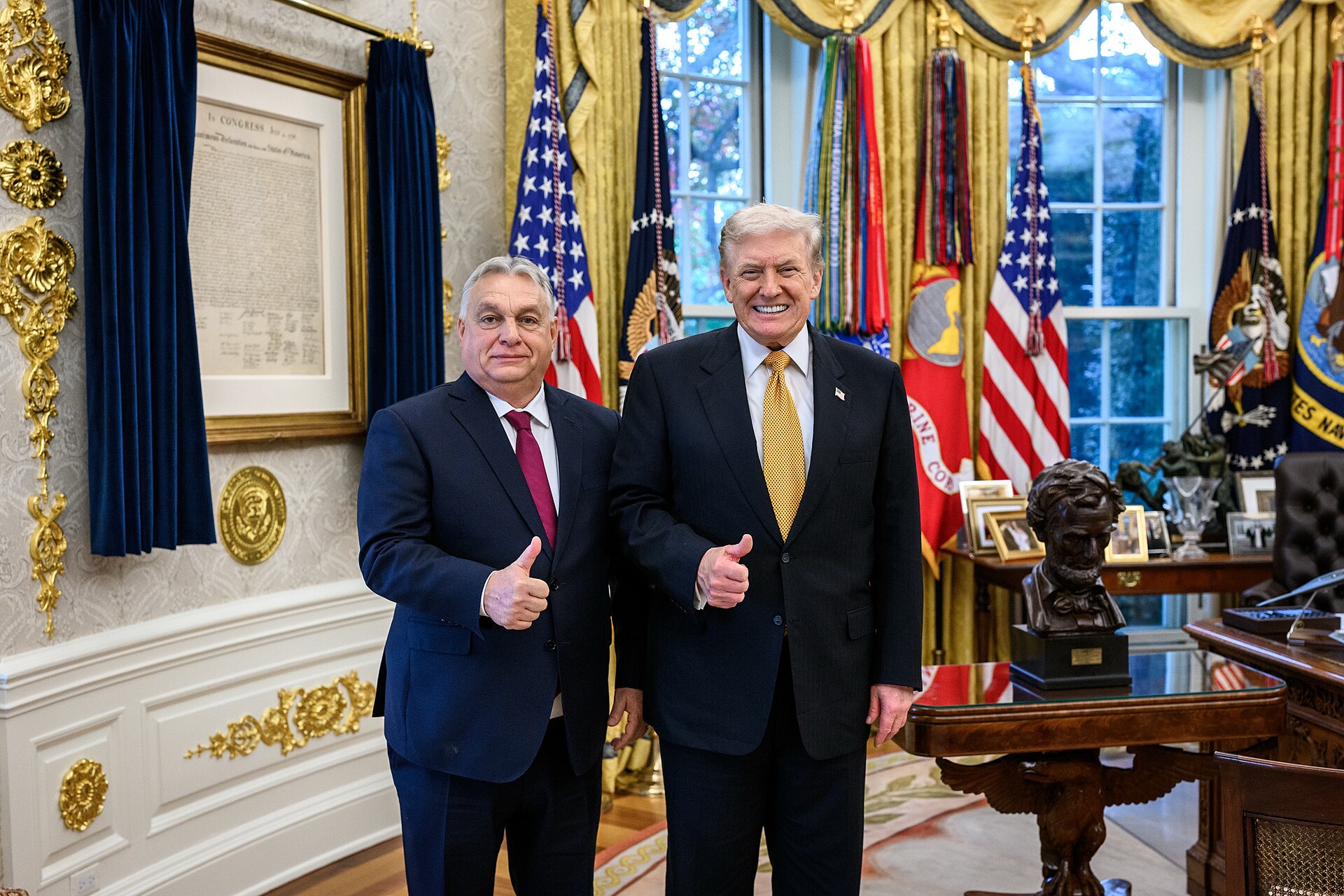
Additionally, an Orbán defeat would help undermine the growing wave of right-wing illiberalism that has taken hold in recent years. Orbán serves as a revered figure among the populist right, earning praise from figures such as AfD leader Alice Weidel, who has lauded his opposition to EU norms, to even US President Donald Trump, who has called Orbán a ‘great leader’ and expressed admiration for his restrictive immigration policies. Orbán’s style of rule—marked by nativist, anti-immigration, and anti-LGBTQ+ policies—has inspired similar movements abroad that point to his rule as an ideal to emulate. Consequently, Orbán’s defeat would serve as a symbolic setback for right-wing illiberalism globally — casting aside the movement’s international role model, in favour of a more democratic alternative.
However, the looming defeat of Orbán and Fidesz is still, at most, a prediction. Nearly a month out from election day, it remains to be seen what controversial methods Orbán might employ to cling to power. Prominent figures in Tisza have already expressed concern over the potential desperate measures Orbán might resort to. Similarly, experts have warned that Hungary’s election will be occurring in an electoral environment that is not entirely free and fair, with the playing field tilted in Fidesz’s favour due to the aforementioned erosion of democratic norms. Magyar has acknowledged this reality, stating that Tisza’s campaign is an ‘uphill battle’.
Moreover, Orbán may seek international backing to maintain his hold on power. This is already in full swing, as is evident in a Fidesz campaign video featuring endorsements from a who’s who of right-wing populist leaders from across the globe. Yet, the move that will prove most consequential for the April 12 election is the potential involvement of the US President. Trump, who has been accused of electoral meddling abroad, may make an eleventh-hour attempt to help his friend Orbán. A likely maneuver is a financial bailout for Hungary ahead of the election. The precedent for this is Trump’s economic lifeline for Argentinian President Javier Milei ahead of the 2025 Argentinian midterm elections. A similar financial bailout for Hungary would help alleviate one of Orbán’s insurmountable electoral challenges: the faltering economy. Trump has denied that such a measure will be used for Hungary; however, as his presidency has shown, his rhetoric does not always align with his actions.
Adding to these concerns, recent reporting suggests that Russia is attempting to influence the outcome of the election to bolster Orbán’s hold on power. As Russia’s foot in the door to the EU and NATO, Orbán at Hungary’s helm is indispensable for Putin. In response to these concerns, Magyar has openly called upon Russia to refrain from influencing the outcome of the election.
The challenges overshadowing the April 12th election are undeniable: an uneven electoral landscape, the potential for foreign involvement, and Fidesz’s institutional entrenchment. And yet, Magyar—backed by Hungarian frustration—has a real chance to reshape Hungary’s democratic trajectory, its place within the international arena and the allure of Orbán-style right-wing illiberalism. Hungary has already shed authoritarianism once; whether it will do it again remains to be seen.
Edited by Olivia Diamantopoulos
Featured Image: “Teachers and students organized a protest against the government” by Csaba Török, licensed under CC BY 2.0.


