
Disease Diplomacy: The Venetian Legacy Defining Modern Quarantine
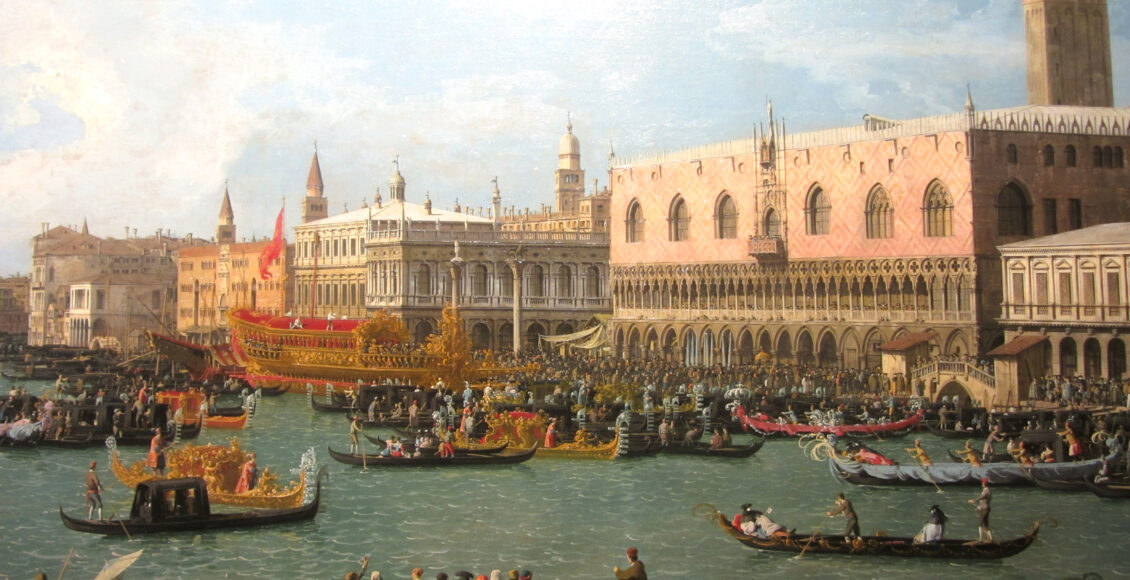
Located in Northeast Italy, the Venetian Republic was a dominant maritime and economic powerhouse from 697 through 1797. Renowned as the “middleman” of the world, its position as an economic trading hub made it heavily reliant on Eastern resources. As a bridge between Europe and the East, the Republic pioneered practices that would later become central to modern capitalism. However, its role as an economic superpower was threatened when Europe came face-to-face with the bubonic plague, starting in 1347.
The Venetian Republic faced a dilemma: if it ceased all trade in an attempt to keep the plague from spreading through its ports, it might face economic demise, but if it did nothing, its fate might be even worse. Instead of stopping all trade, the Venetian Republic adopted isolation practices that soon came to be known as quarantine. Their newly created system was separated into two distinct islands: the Lazzaretto Nuovo and the Lazzaretto Vecchio. The former was focused on sanitary prevention, acting as a “filter” through which trading ships would be isolated before entering Venice. The latter was a hospital designated solely for those who were actively infected with the plague. Established in 1423, this new public infrastructure introduced new periods of waiting: Contumacy, the 40-day quarantine, and Purgation, the cleansing of goods and spices using salt water and vinegar. The Purgation process was particularly exhaustive. Clothing and textiles were vented for weeks on end, while more sensitive goods, such as silk and spices, were exposed to hot conditions to “purify” them.

The Venetian Republic saw immense success with this system. In most European cities, the bubonic plague was devastating, wiping out half of their population. However, the Republic’s pragmatic response prevented the plague from devastating Venice, resulting in only two outbreaks in the 400 years the Lazaretti system operated. Ultimately, the Republic successfully created a system where both public safety and economic stability found a balance, demonstrating the vital role the state can play in health prevention and protection.
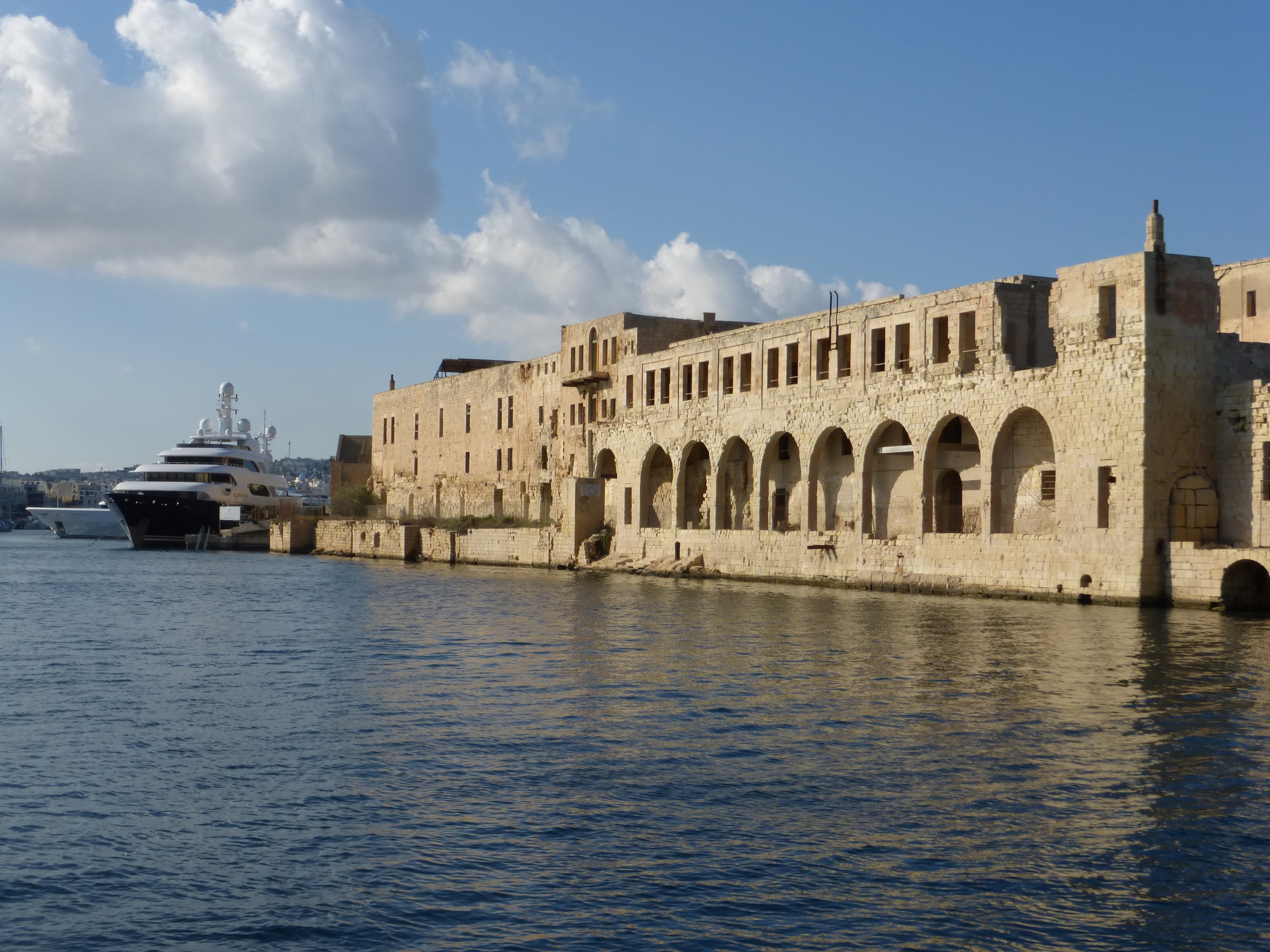
Historically, this system has had a lasting influence, inspiring cities like Genoa and Marseille in the 15th century. More contemporarily, Ellis Island, though controversially, took inspiration from the Lazarettos, using similar quarantine procedures in the New York Harbour. With the modern revivals of these public health techniques, both domestically and internationally seen with the SARS and COVID-19 outbreaks, the practices of the Venetian Republic were clearly ahead of their time. Today, the standards and practices of contract tracing, border closures, and maritime quarantine show the enduring legacy of Venetian inventions centuries later. The Venetian legacy is a reminder that states can do more than provide medicine to society; they can build administrative architectures that allow globalized communities to continue to function in spite of inevitable biological crises.
Edited by Adele Torrington
Featured Image: A painting of the Venetian Republic on Ascension Day, a religious holiday, depicting a great boat procession and painted by Canaletto in the 1700s. “Ascension Day: The Embarkation of the Doge for the Marriage to the Sea Ceremony” by Alex David Baldi is licensed under CC BY 4.0.


