
From Bangladesh to the United States, Gen Z Is Reinventing Protest Culture
Fridays for Future, Black Lives Matter, and March for Our Lives are among the many Gen Z-led protests that have dominated headlines in recent years. As the first generation to grow up in an entirely digital environment, Gen Z is deeply familiar with online communication tools— adapting them to political contexts to define a new era of youth activism. What differentiates this protest culture from that of past generations is its virality, visibility, and untraditional digital strategies used to transform political action and produce sustained mass mobilization. Viral hashtags amplify messages in real time, while decentralized leadership models challenge traditional hierarchies of power. The 2020 protests associated with the Movement for Black Lives (M4BL) are widely considered one of the largest mobilizations in American history, with an estimated 15 to 26 million participants across the United States. A deeper dive into other Gen Z-led protests reveals that this pattern is recurring, continuously revolutionizing how social movements build power and influence political change.
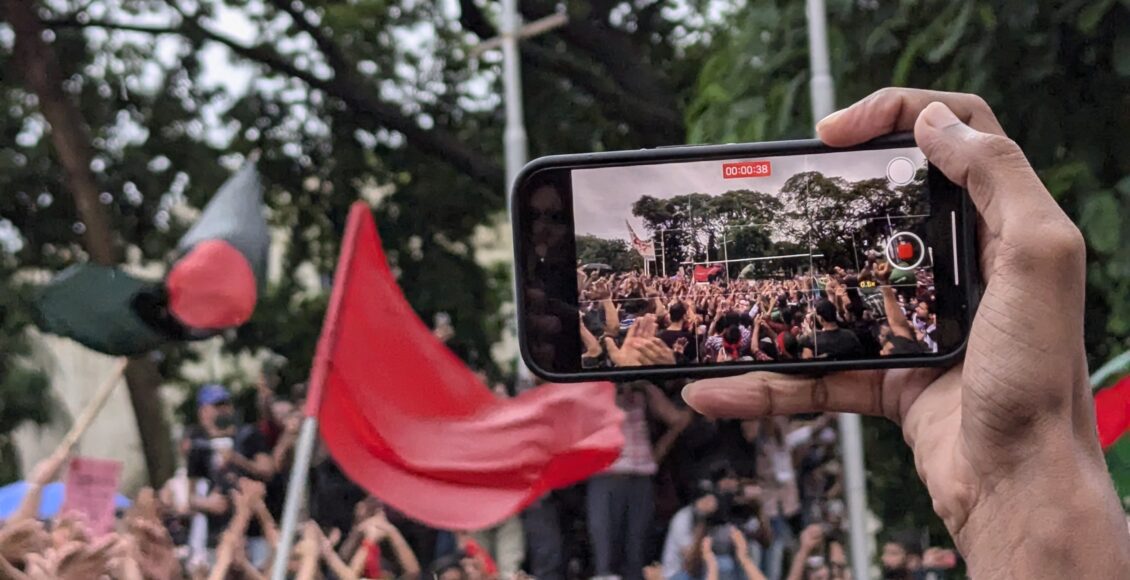
Earlier youth-led mobilizations in Bangladesh had already demonstrated the power of Gen Z protest tactics, as seen in movements such as the 2018 road safety protests. More recently, the 2024 Bangladeshi protests are widely considered the country’s first successful political revolution. The unrest was primarily triggered by a proposal to reinstate the government job quota system, which would reserve 30 per cent of government jobs for children of Independence War veterans. The protests initially consisted of students who saw the measure as discriminatory and a threat to merit-based hiring. Within weeks, what started on a university campus became a nationwide movement demanding action on rising unemployment and economic stagnation. After more than a decade under Prime Minister Sheikh Hasina, who had ruled since 2009, frustration over alleged corruption, autocratic behaviour, and political repression had been mounting. With more than half the population under 24, Gen Z represents the largest population segment in the nation. Analysts credit the uprising’s success in large part to young organizers’ strategic use of social media for political activism, combined with its decentralized structure, which proved difficult to suppress. Platforms such as Facebook, WhatsApp, and YouTube served as tools to amplify awareness, mobilize both physical and virtual support for the movement, and communicate plans to the public. Through decentralized leadership, the movement led to a decisive political revolution: Hasina fled the country on August 5, 2024.
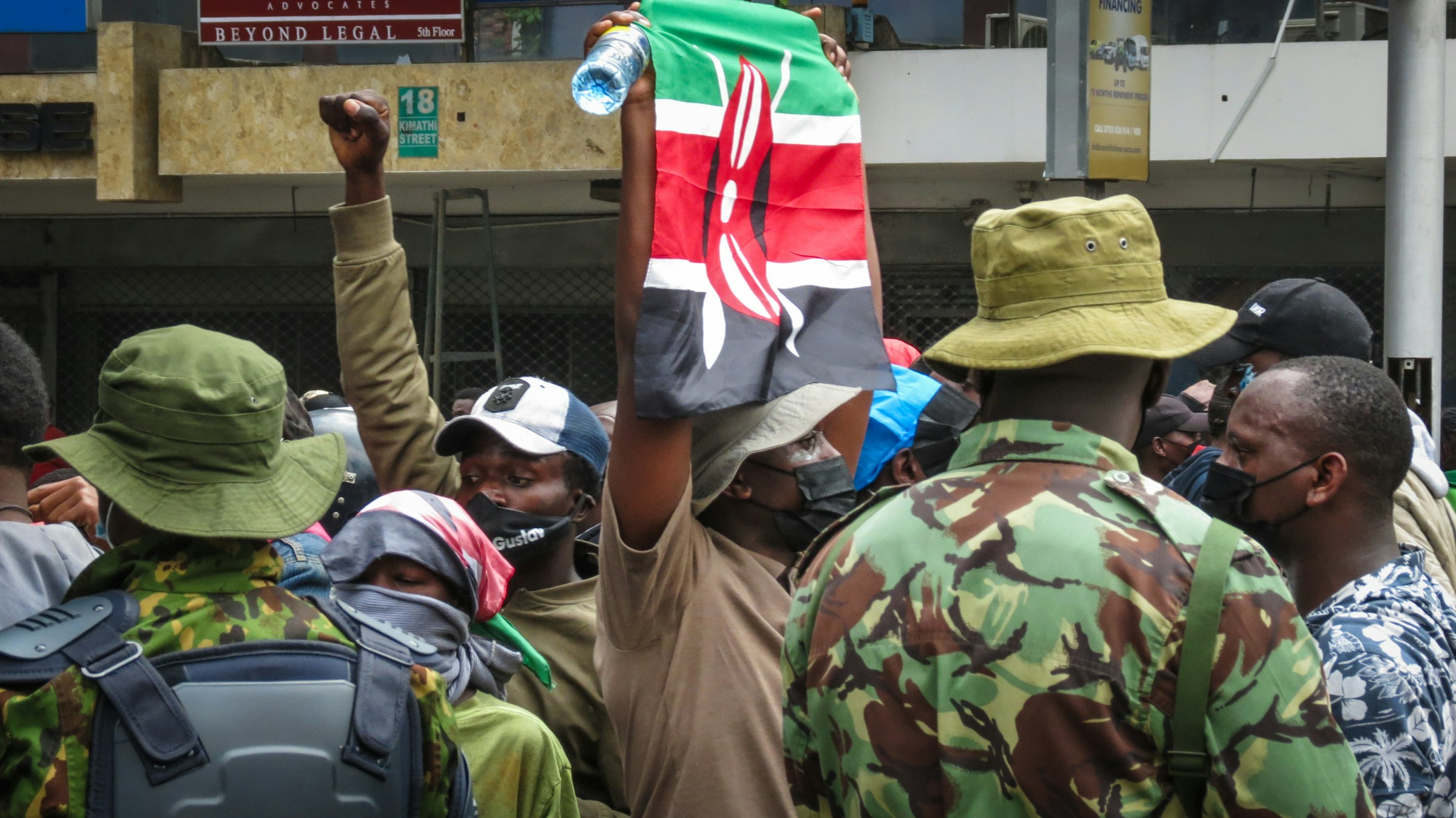
6,500 kilometres away, Kenya’s Gen Z was facing its own challenge that same year. Protestors mobilized against a controversial finance bill proposed by President William Ruto that would have increased taxes on everyday goods such as motor vehicles and bread. The bill would have also resulted in an increased cost of living across the nation, where youth unemployment was already at an estimated 67 per cent. Much like Bangladesh, Gen Z comprises the majority of Kenya’s population. Young people began organizing on TikTok and X, creating the #RejectFinanceBill2024 hashtag and sharing images and videos online to expand the movement’s reach. This hashtag quickly amassed over 750 million viewers and over 15 million engagements, reaching incredible virality and visibility. Social media thus served as a vehicle for shared anger over the bill and broader frustrations with Kenyan governance. After national protests turned violent, Parliament passed the bill on June 25, 2024. However, the next day, Ruto announced he would not sign it into law. Despite immense pushback from the Kenyan authorities, the reversal illustrates the tremendous potential of digitally organized youth activism.
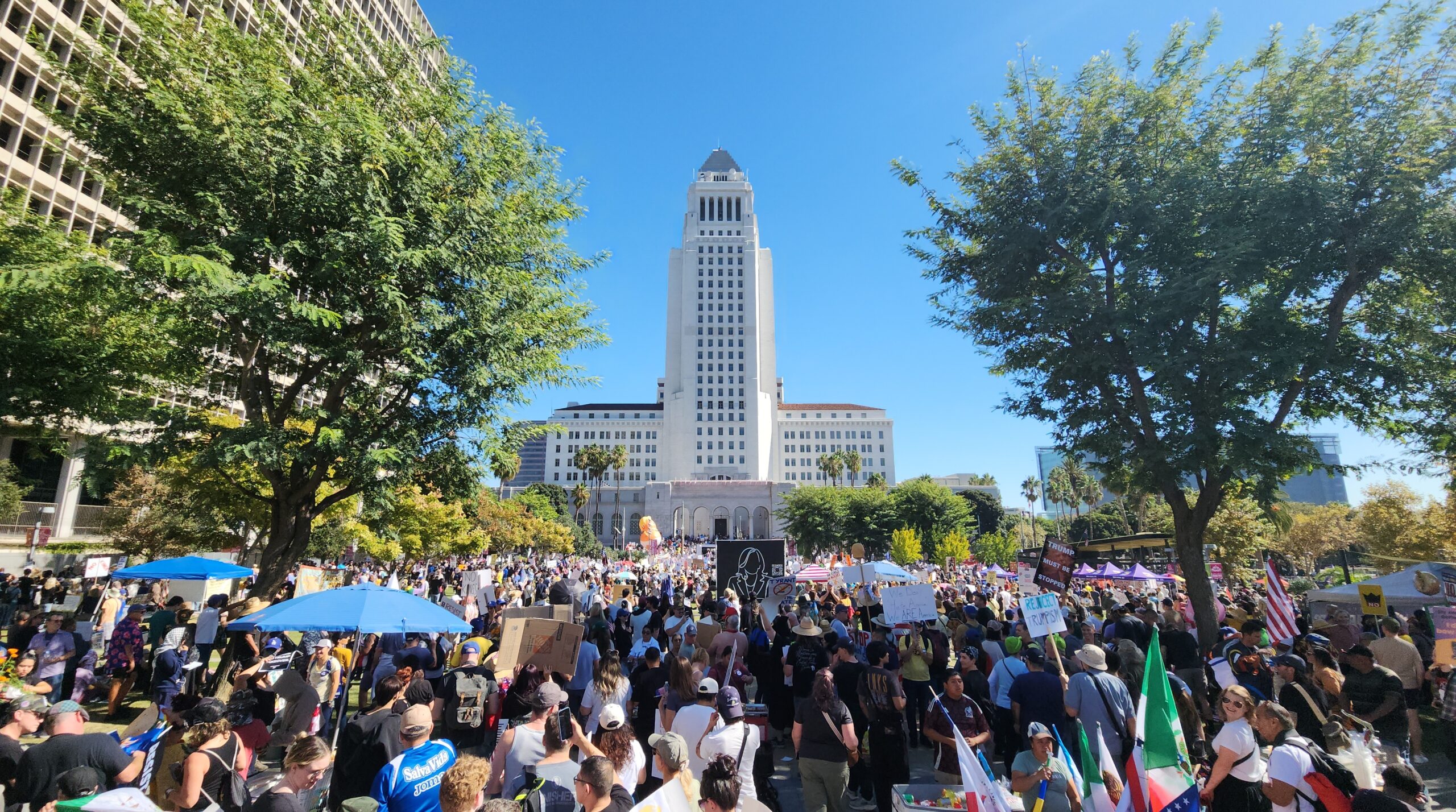
The series of “No Kings” protests signalled a similar trend in the United States. In June 2025, Americans took to the streets to protest what they described as the Trump administration’s anti-democratic actions. In October 2025, following raids by Immigration and Customs Enforcement (ICE), protests re-emerged under the “No Kings” banner in hundreds of cities across the nation. Although not explicitly Gen Z-led, the movement’s decentralized nature was largely inspired by the model popularized by the 2020 M4BL, which popularized local leadership rather than a hierarchical power structure. Additionally, many key organizers of the No Kings movement were founders of the grassroots M4BL, which has continuously emphasized leaderful organizing. Gen Z protests have embraced this form of leadership since M4BL, which, combined with social media, has given it much traction. The most recent No Kings protest, held on March 28, 2026, drew an estimated 8 million people, making it widely regarded as the largest single-day protest in American history. The June 2025 and October 2025 demonstrations, with roughly 5 million and 7 million participants respectively, rank third and second.
Despite remarkable virality and visibility, critics argue that leveraging social media for mobilization might be self-limiting. Reasons for this include how online culture might raise individual celebrities over collective voices and its vulnerability to digital crackdowns. Prominent voices in political matters tend to symbolize the movement as a whole, both silencing important internal voices and pushing for agenda changes that are wrongful. Additionally, research shows that autocrats have been able to successfully adapt technologies to become instruments of control. These challenges, among others, have stunted much lasting democratic change.
Nonetheless, Gen Z-led protest movements have fundamentally reshaped the architecture of protest in the 21st century. From Bangladesh to Kenya to the United States, youth have used social media at unprecedented levels to successfully mobilize for real change. Rather than relying on formal leadership for change, Gen Z has redesigned how politics come to life.
Edited by Adele Torrington
Featured image: “Protest in Bangladesh 01” by Nahid Hasan is licensed under CC BY-SA 4.0.
