
Integration or Defeat? What the SDF-Damascus Ceasefire Means for the Future of Syria’s Kurds
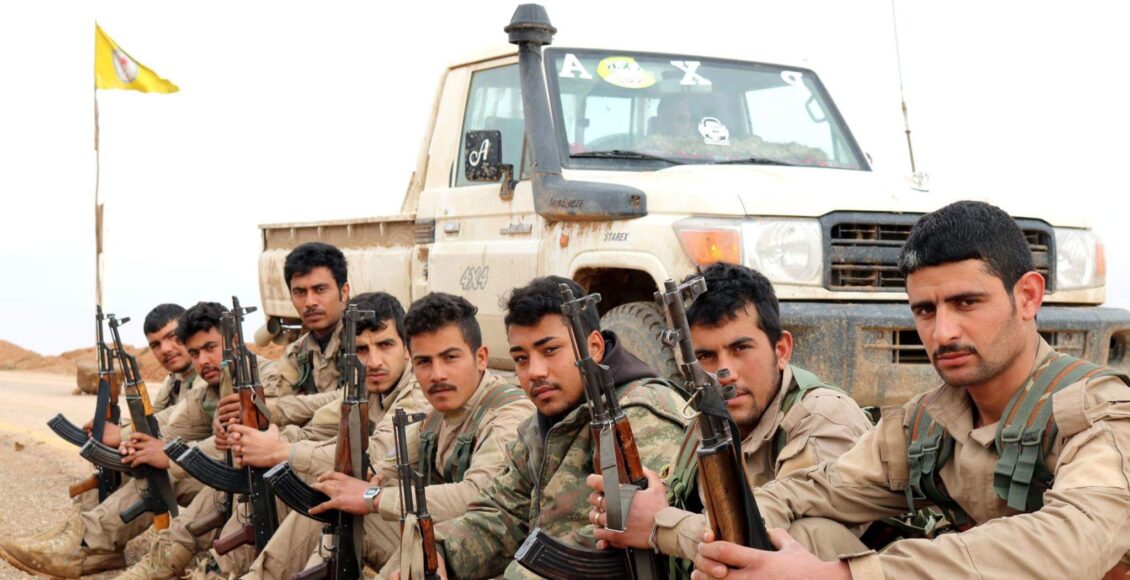
On January 30, the Syrian government under interim President Ahmed al-Sharaa and the Kurdish-led Syrian Democratic Forces (SDF) reached a comprehensive ceasefire agreement following weeks of fighting across the country’s northeastern regions. In the largest military offensive since the toppling of former leader Bashar al-Assad in December 2024, government forces seized swaths of Kurdish territory in Raqqa, Deir e-Zor, and parts of Hasakah provinces. As part of the 14-point ceasefire deal, SDF members are expected to join the Syrian army and the interior ministry, and Syria’s interim government will establish central authority over border crossings, energy resources, and military command structures formerly under Kurdish control. While the agreement is a step in al-Sharaa’s stated agenda for Syrian unification, it raises the question of whether the SDF’s political and territorial concessions mark true integration or the undoing of Kurdish autonomy, built over more than a decade.
The Kurds are an ethno-linguistic group indigenous to the Mesopotamian plains and nearby highlands that today make up southeastern Turkey, northeastern Syria, northern Iraq, northwestern Iran, and southwestern Armenia. Kurdish people are widely considered the largest stateless nation in the world, with Syria’s Kurds making up roughly 10 per cent of the country’s population. For over a decade, the SDF possessed a de facto state in northeastern Syria with its own armed forces, oil and gas resources, border crossings, and an independent political body, the Autonomous Administration of North and East Syria (AANES). During the Syrian civil war in 2014, the SDF was the primary US-backed ground force against the Islamic State of Iraq and Syria (ISIS), with joint operations leading to the territorial defeat of ISIS in 2019. In February 2025, the SDF began providing oil to Damascus from vast oil deposits under their administration in Syria’s northeast.
After the fall of Assad in December 2024, Turkey and Islamist allies—backers of al-Sharaa—found a strategic window to leverage the power shift in Damascus and increase their pressure on the Autonomous Administration. In a move to safeguard certain autonomous rights, SDF commander Mazloum Abdi signed a national integration agreement with al-Sharaa in March of 2025, entailing security-sector integration, handovers of strategic files, and eventual political arrangements to normalize Kurdish rights and citizenship. The deal’s end-of-2025 expiration saw the immediate ultimatum from the government: integrate or fight. As clashes spread throughout January, the SDF saw the rapid collapse of its territory after two-thirds of its Arab fighters defected to Damascus and helped retake several oil fields on January 18. Long-standing grievances were held by Arab tribes, particularly in Deir Az-Zour and Raqqa, due to alleged systematic discrimination under SDF authority.

The actions of the United States under the second Trump administration have signalled a significant shift away from its longstanding strategic alliance with the Kurds. During US-mediated peace talks in Paris in early January, a Syrian government proposal to recapture SDF-held territory reportedly met no objections. It was almost immediately afterwards that the military offensive was launched. In a statement that furthered an already growing sense of diplomatic betrayal, US envoy Tom Barrack defended the integration by stating that “the original purpose of the SDF as the primary anti-ISIS force on the ground has largely expired.”
The US counterterrorism assessment found that a centralized Syrian government offers a greater capacity to defeat ISIS than any non-state actor. With the dismantlement of the SDF, its network of detention facilities for Islamic State (IS) members has collapsed, and a new point of instability has arisen in the handling of IS threats. Reports have stated that the Syrian army’s assaults on the AANES led to several prison escapes from SDF detention facilities that came under attack. The US, in turn, has begun to transfer thousands of ISIS detainees from northeast Syria into Iraqi territory. According to Syria’s interior ministry, around 120 IS detainees escaped amid clashes in the country’s northeast, while Kurdish forces have alleged the number to be as high as 1,500.
While branding himself today as a Western-friendly, moderate politician, al-Sharaa’s past as a jihadist and former member of al-Qaeda has been a particular point of concern for Kurds as a minority group. As part of the SDF’s integration, al-Sharaa issued a decree formally recognizing Kurdish as a national language, allowing its teaching in schools, and restoring citizenship rights to all Syrian Kurds. This breaks historic ground, being the first formal recognition of Kurdish national rights since Syria’s independence in 1946.
These promises to safeguard minority rights, however, stand on shaky ground after a year of sectarian bloodshed in the country’s Alawite and Druze minority regions. In waves of civilian-targeted violence that trace back to forces from Damascus, the experiences of Druze and Alawites have given little assurance that disarmament and concessions will be met by true protection for the Kurds.
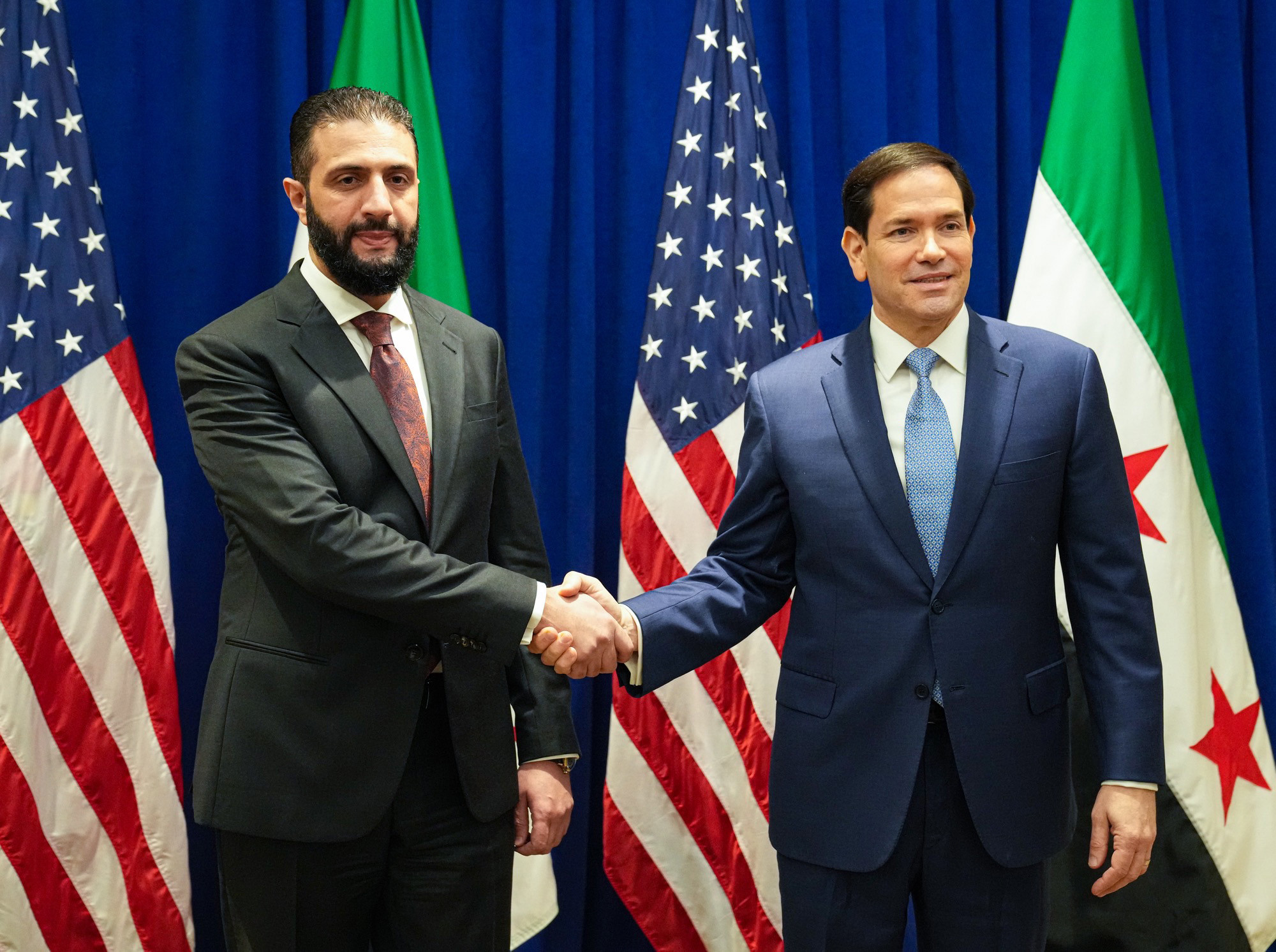
With the rollback of Syria’s de facto Kurdish state, surrounding neighbours will need to adjust their political calculations. Turkey, a heavy opponent of the SDF, which it deems an extension of the Kurdistan Workers’ Party (PKK), has praised the Syrian offensive. PKK figures reportedly urged SDF leader Mazloum Abdi to avoid integration, for fear of losing their last territorial asset amid an ongoing peace process with Turkey. Israel, meanwhile, will have to contend with the emergence of a Turkey-backed Sunni force at its border with the dismantlement of SDF territory as a former buffer zone. For Iraq, the relocation of thousands of ISIS detainees has sparked a wave of domestic opposition, particularly among Iran-aligned parliamentary blocs opposed to US agendas and weary of security risks.
As the integration process moves forward for the SDF, Syria’s Kurdish question now shifts from territorial control to constitutional inclusion and true political representation within a newly centralized state.
Edited by Jacob Van Bergh
Featured Image: “Kurdish YPG Fighters” by Kurdishstruggle is licensed under Creative Commons.

