
Opinion | Linguistic Asymmetries in the NYT’s Coverage of Gaza
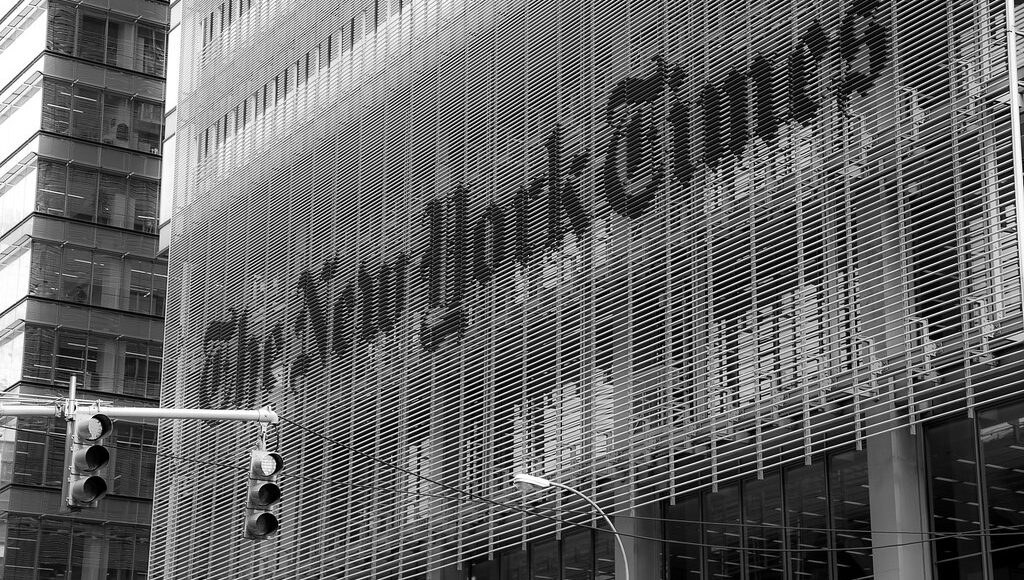
The New York Times’s coverage of the Gaza genocide, particularly in the two months following October 7, 2023, reveals prominent asymmetries in the language used to report Palestinian and Israeli deaths. This article uses the term “genocide” in accordance with the legal definition set out in the 1948 Genocide Convention, reflecting documented patterns of mass civilian killing, forced displacement, and the systematic destruction of life-sustaining infrastructure in Gaza. The linguistic biases in the NYT’s reporting of the genocide use emotionally evocative and humanizing language more consistently when reporting on Israeli deaths as compared to those of Palestinians. These biases can seem subtle unless analyzed intentionally. Yet, they influence the perceptions of millions of Americans on a humanitarian issue in which the United States is inextricably implicated via longstanding and substantial military support to Israel.
The NYT issued guidance on covering Gaza in a leaked November 2023 memo, authored by Standards Editor Susan Wessling and International Editor Philip Pan. The memo urged caution in using words like “slaughter,” “massacre,” and “carnage” unless used “on all sides.” It also discouraged the use of the term “Palestine” or “Occupied Territories.” In writing, the memo stated its aim was to safeguard reporting from bias, rather than to encourage it. In practice, however, emotionally charged language was implemented with asymmetry, muting clarity on the power dynamics fueling a genocide.
In January 2024, The Intercept published a quantitative analysis of coverage of over 1,100 articles from the first six weeks of Israel’s military incursion into Gaza. The investigation found that The New York Times used the word “slaughter” in relation to the 1,200 Israelis killed by Hamas 22 times, and once regarding the 14,800 Palestinians killed by the subsequent Israeli invasion. “Massacre” was used at a 53:1 ratio. Emotional weight was significantly more related to Israeli deaths during a month-and-a-half period in which Israeli attacks killed 6,000 children. The Intercept noted that the skewed coverage from major US news outlets was relatively less humanizing of Palestinian deaths to their vast American audiences.
The dehumanization of Palestinian deaths through skewed application of language in the American press includes how agency is allocated to -or deflected from- Israel for the killings. Israeli deaths were more consistently framed with clear attribution and emotive words in NYT reporting, while Palestinian deaths were obscured behind passive language and the deflection of Israeli agency. They were framed as byproducts of a broader effort to eliminate Hamas, mirroring broader US foreign policy narratives at the time.
Here is the first line of an article titled Harsh Visuals of War Leave Newsrooms Facing Tough Choices, published on November 14, 2023: “Gruesome photographs of Palestinian children killed in rocket strikes and Israeli infants murdered by terrorists.”
Ironically, in an article on the dilemmas newsrooms face in fairly covering wars, the NYT opens with a blatant instance of biased language. Palestinian children are “killed in rocket strikes”—killed is a descriptive term, attributed to a military operation, while murdered is a morally charged attribution to a specific actor, terrorists. These word choices shape the psychological distances and empathy with which readers regard the deaths of Palestinian and Israeli children and infants.
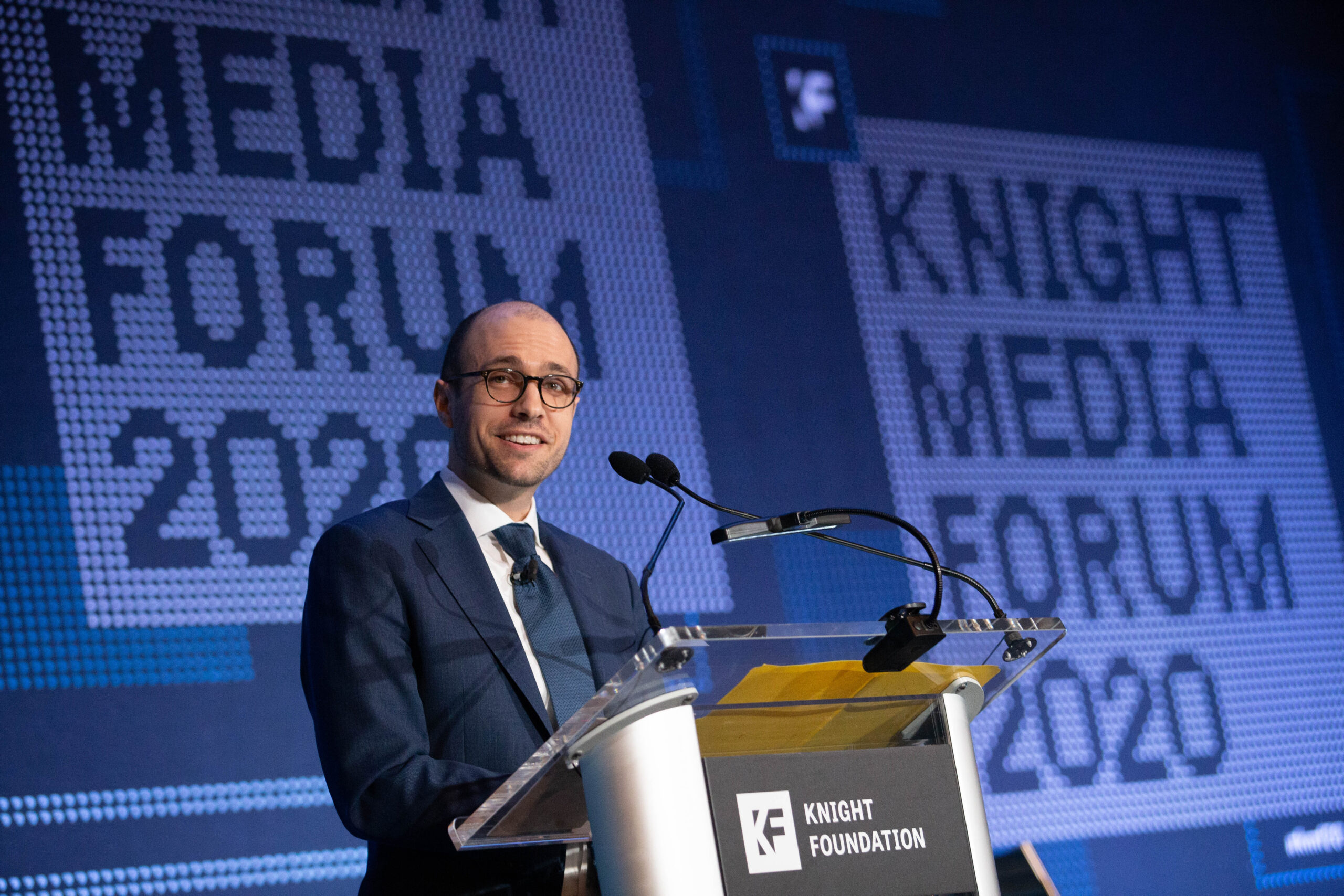
The NYT’s publisher, A.G. Sulzberger, says the NYT is committed to “help[ing] people understand the world.” Which people does this mission serve? The majority of the NYT’s 11 million readers—more than any US news outlet are college-educated individuals who identify as liberals or Democrats. This positions the NYT as a preeminent journalistic source shaping the American liberal public’s views on key global issues like mass Palestinian killings in Gaza, particularly in the first months following Hamas’s October 7 attack on Israel in 2023.
The linguistic biases in The New York Times’ reporting of Palestinian deaths contribute to a dissonance between the humanitarian and rights-based values associated with American liberalism and foreign policy narratives that render Palestinian lives less grievable. The bias in the NYT perspective in the early months of Gaza’s invasion fell in line with the prevailing American foreign policy narrative that painted mass killings and destruction as necessary collateral to eradicate terrorism, despite consistent warnings and analyses from humanitarian organizations that Israel’s actions exemplify collective punishment.
Edited by Adele Torrington
Featured Image: “The New York Times” by Janne Räkköläinen is licensed under CC BY-SA 2.0.
