
Rethinking Benefits Sharing in the Age of Digital Sequence Information
Billions of genetic sequences are being shared globally, but the benefits are not. The world’s largest genetic databases are growing rapidly. The International Nucleotide Sequence Database Collaboration (INSDC), one of the largest global repositories of genetic data, now contains billions of sequences, including over 4.7 billion assembled sequences and millions of raw sequencing runs, reflecting the rapid expansion of digital sequence information (DSI). But as this data grows, a key question arises: who benefits?
DSI can be defined as digitized genetic data (DNA/RNA), which is a valuable tool used in research, pharmaceuticals, and agriculture. Oftentimes, the genetic data comes from biodiversity-rich developing nations. Yet, it is typically analyzed, processed, and sold in developed nations. The result is a growing unequal global dynamic between developing and developed nations, which raises ethical questions: Should developed nations continue to profit off the data of developing nations?
This divide raises important genetic and economic problems. As DSI becomes central to research, its current system risks deepening current power imbalances between nations.
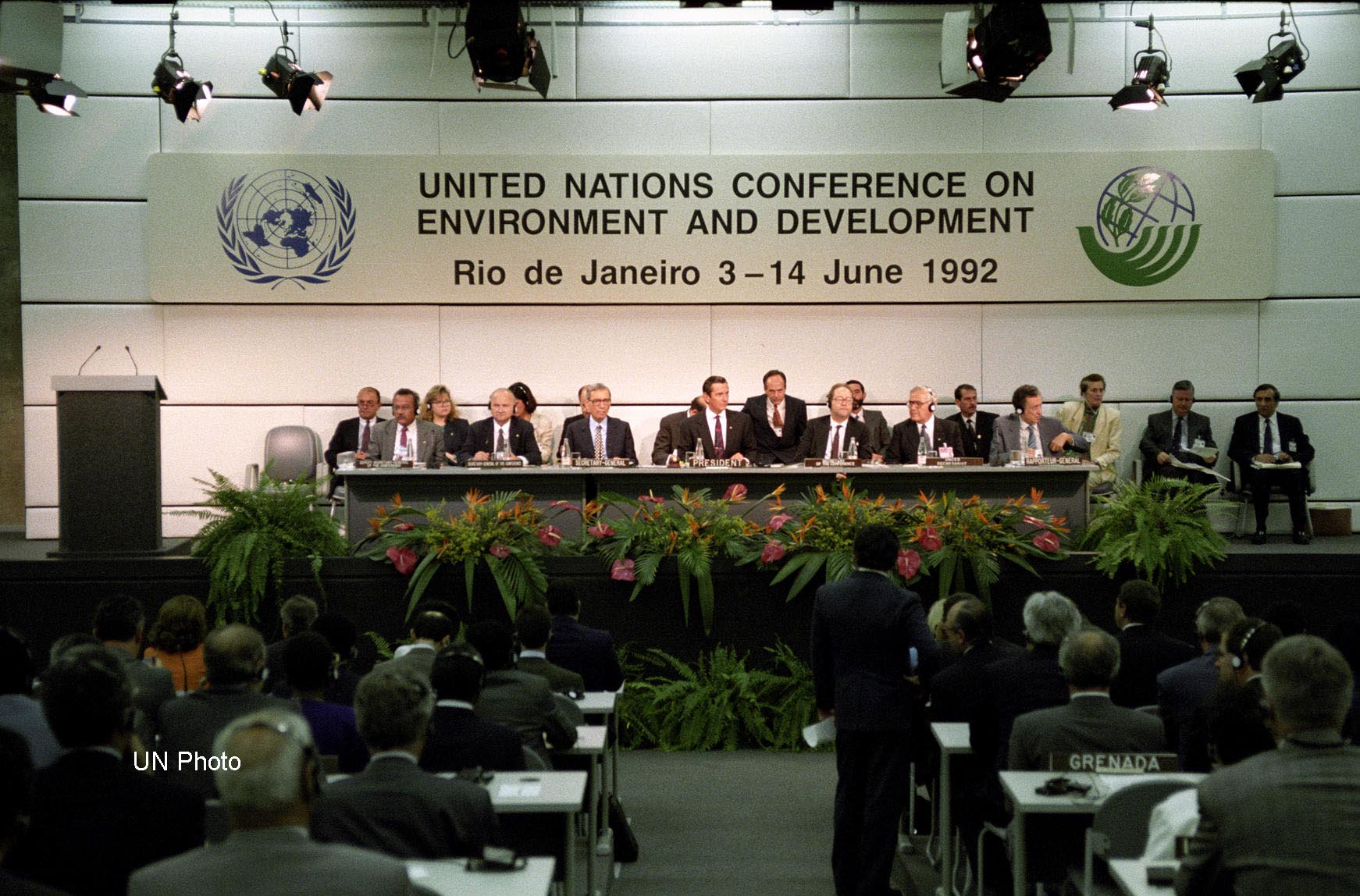
A meeting happening during the Rio De Janeiro conference that led to the adoption of the UNCBD. Photo by United Nations Photo is licensed under CC BY-NC-ND 2.0.
This issue of benefit-sharing between the developing and developed world has been a consistent theme within the field of biodiversity. This problem stems from researchers working in developed nations but traveling to developing nations to access their rich biodiverse resources. They then take the samples collected from these nations and process the data. In this situation, there is a clear relationship between the researchers taking the resource and the nation providing it. The promise of compensation from researchers to developing nations was established by the United Nations Convention on Biological Diversity (UNCBD) upon its adoption and signature at the Earth Summit in Rio de Janeiro in 1992. The UNCBD established that all countries have sovereign rights to their resources and therefore all nations deserve access to benefit-sharing (ABS). Later bodies of the CBD, such as the Nagoya Protocol, further established this framework. The protocol outlined mechanisms for benefit-sharing that were both monetary and non-monetary, like capacity building. Under this framework, all users of genetic resources are expected to have received prior and informed consent (PIC), with mutually agreed terms (MAT). PIC is when a country must give permission before its genetic resources are accessed, and they must be informed how the resources will be used. MAT can be defined as both parties involved in the resource transactions having to agree on what will happen in terms of benefits and usage of the genetic material. Hence, there is a clear pathway for researchers to provide compensation to the developing nation.
However, the development and usage of DSI presents a unique problem. The information processed by developed countries is widely accessible through the internet. Once the information is uploaded onto a public database, there is essentially unlimited and free access to this data for other researchers and companies, turning the research into a public good. So, when the benefits of research span beyond the researchers, the question arises of who bears the responsibility for compensating the developing nations that possess the resource.
While the problem of unequal benefits sharing emerges, it also brings up another issue of making research and academia accessible. DSI proves to be extremely useful, so hindering its usability could inhibit research and development, falling short as a preferable alternative. For that reason, seemingly simple solutions such as universal compensation become difficult in practice. This creates a central dilemma: how can developing nations be fairly compensated without undermining the availability of DSI?
In response to these issues, policymakers have been working on solutions that will continue to be developed at the next conference of the parties (COP). Three of the most popular solutions include the following: PIC and MAT, Standard Benefit-Sharing Term, and Global Multilateral Benefit-Sharing Mechanism.
The first solution presented is to follow the same PIC and MAT guidelines as outlined in the Nagoya Protocol. These guidelines would have the benefit of being applied in practice. However, it becomes excessively expensive with transaction costs, and logistically overly complicated due to traceability limits.
The second solution is a Standard Benefit-Sharing Term. This solution works by having standardized DSI practices that are notified by corporate usage. The notification would provide a barrier strictly for corporations when using DSI information for their commercial application. This helps to eliminate transaction costs and encourages corporate usage. However, this is difficult in practice as DSI is used in large quantities and is difficult to track digitally. Hence, limited benefits would be shared in comparison to the amount of usage the genetic information is getting, presenting a similar problem to the first solution.
Finally, the solution of a Global Multilateral Benefit-Sharing Mechanism is more promising. The solution proposes having a monetary barrier to accessing DSI through paid database subscriptions. Such an approach would allow for the money from monetary barriers to be pooled together to later be distributed to the developing nations that are providing the physical genetic information. This would encourage more usage of the information, and therefore not restrict research and development, which is vital to scientific advances. However, a key limitation remains: it would be difficult to differentiate between commercial and non-commercial usage. This is because corporations could go through other channels to access resources and publish information by using personal accounts. Nonetheless, this option is the most feasible and realistic.
Ultimately, DSI outlines broader global tensions in the global economy. It demonstrates the difficulty of resource governance and sovereignty as new research technology and information continues to emerge. This emphasizes the need to rethink traditional models of management and information sharing.
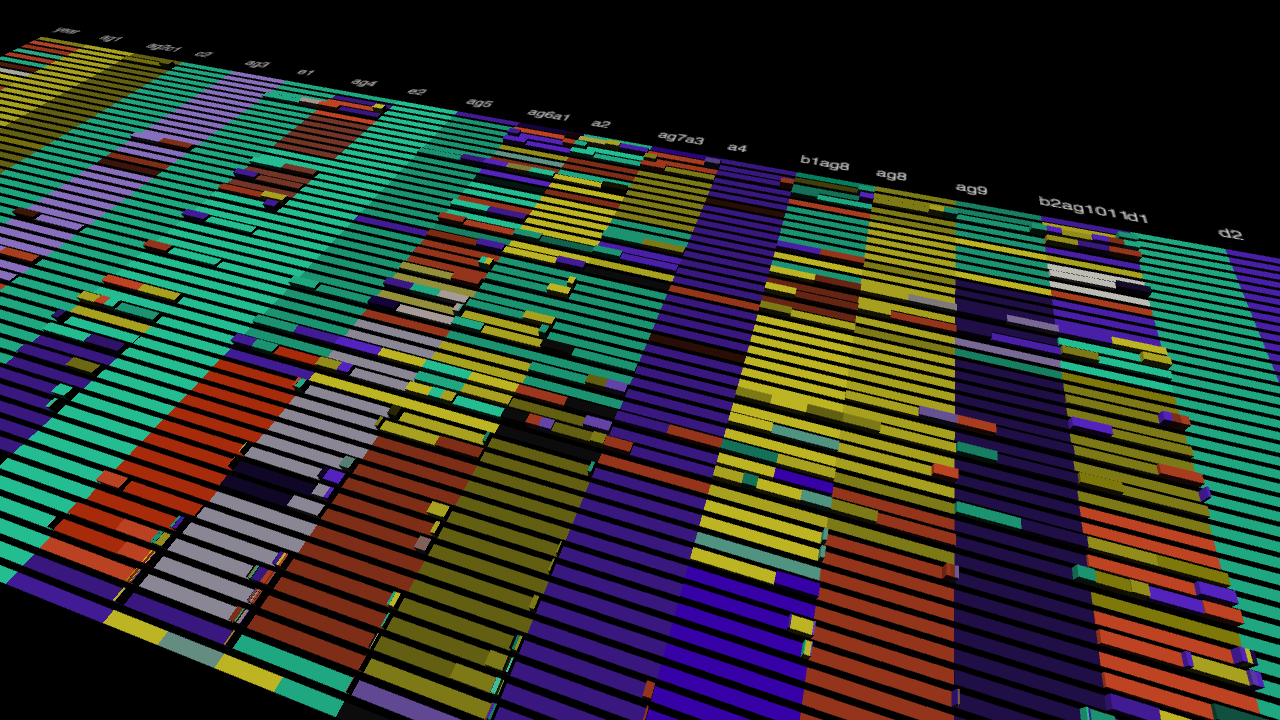
Digitalized genetic information. Photo by Jer Thorp, CC BY 2.0.
Overall, efforts to conserve biodiversity have evolved into complex frameworks aimed at improving ABS. The development of digital sequence information has reopened the discussion about the most effective form of equitable benefit-sharing. The way DSI is currently governed will not only shape the future of scientific research, but also the way in which contributions are shared amongst nations. Ensuring that developing countries receive equitable benefits for their physical contributions is essential for continuing scientific research and development. Hence, policymakers must balance equitable compensation for biodiversity-rich countries with maintaining open scientific research in order to promote research and development.
Edited by Noor Elbially
Featured image: Visualization of DNA double helix. Photo by National Human Genome Research Institute (NHGRI) is licensed under Public Domain Mark.
