
The Past as Power: Memory Politics and Diplomatic Constraints in East Asia
In August 2019, Japan restricted exports of semiconductor materials to South Korea, triggering one of the most serious diplomatic crises between the two nations in recent years. While Tokyo cited “security concerns,” the move was widely seen as direct retaliation for South Korean Supreme Court rulings ordering Japanese companies to compensate Korean victims of wartime forced labour under Japan’s colonial rule—decisions that Tokyo opposed because it argues that all compensation claims were settled under the 1965 normalization treaty.
This crisis revealed a concealed truth: in East Asia, the past remains an active political weapon. Eight decades after the Second World War, historical grievances continue to dictate modern policy and diplomatic relations.
This dynamic can be best understood through the lens of memory politics, the strategic mobilization of historical narratives by political actors to achieve contemporary goals. As theorist Peter Verovšek argues, collective memory is a political resource that defines state legitimacy and constrains elite behaviour. In East Asia, this dynamic created a structural “veto” over diplomacy. Examining three distinct mechanisms explains how memory politics repeatedly transform historical disputes into material crises and limit the possibility of a stable regional order.
In East Asia, the past is not a settled record, but a constructed political resource, maintained through education systems, state rituals, and public discourse. This institutionalization creates what Verovšek identifies as a “communicative logic“: a domestic feedback loop in which historical performance is more important than diplomatic results. Memory politics embeds itself in domestic political structures, and leaders then face incentives to prioritize the “desired communicative effect” of historical narratives for domestic audiences rather than for foreign nations.
This institutionalization produces three dominant mechanisms that constrain diplomacy. First, elite division over historical interpretation generates inconsistent signalling, particularly in Japan. Second, state-led victimhood narratives in China tie wartime memory directly to regime legitimacy, limiting diplomatic flexibility. Third, in South Korea, civil society mobilization around colonial memory creates electoral risks that make compromise politically dangerous. Together, these mechanisms explain why symbolic reconciliation has repeatedly failed to translate into durable cooperation.
Japan’s memory politics can be understood as an internal struggle over post-war identity. While the Tokyo Trials established legal accountability with wartime leaders, they failed to provide a sense of moral closure and justice for victims across Asia.
This gap left a void, filled by two competing forces: liberal internationalists and neo-nationalists.
While significant segments of Japanese society favour a pacifist and apologetic stance, conservative elites have increasingly pushed for a “normal” Japan unburdened by what they view as excessive historical responsibility.
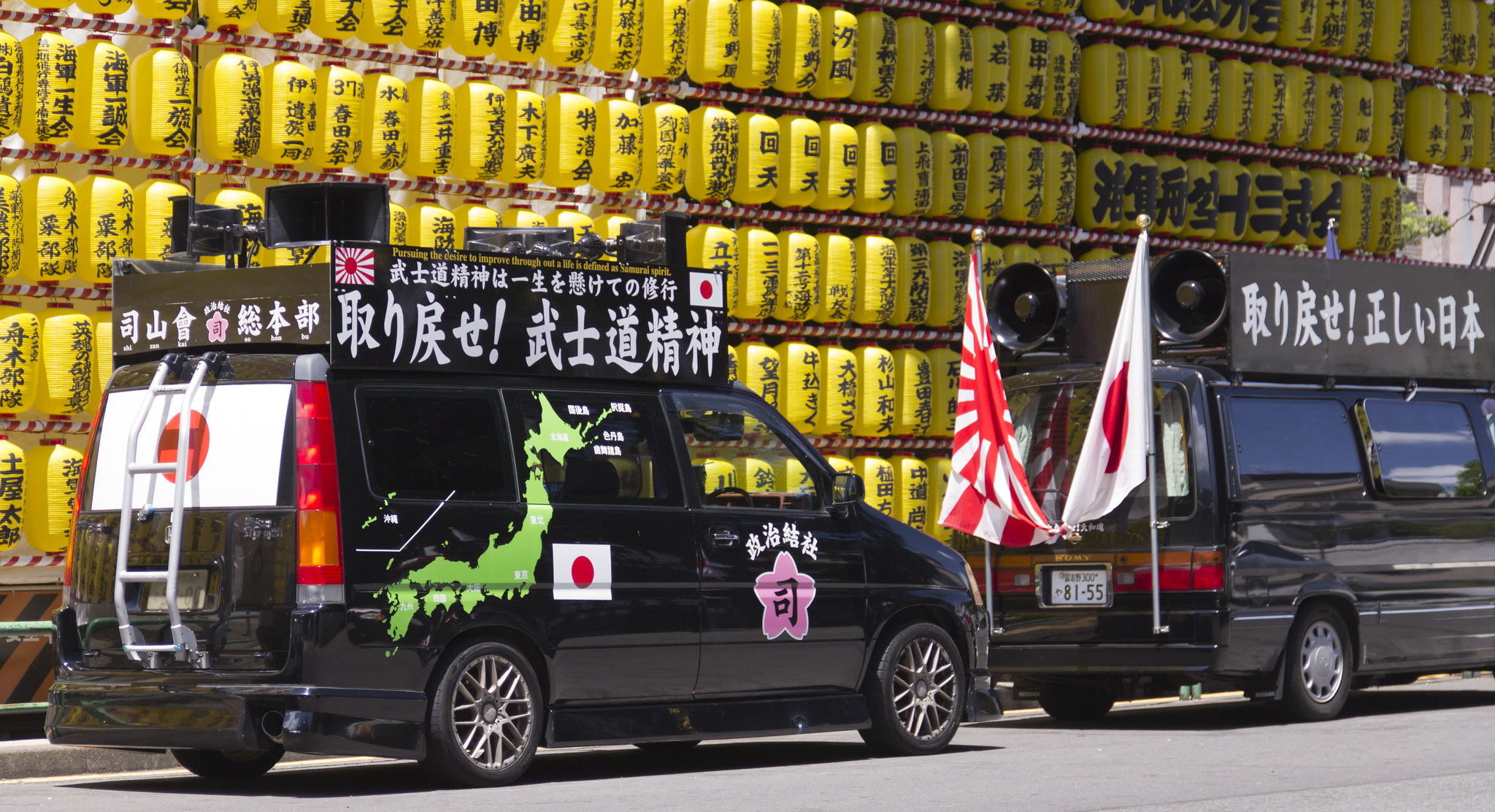
This tension became particularly visible during the era of Prime Minister Shinzo Abe, whose government issued formal acknowledgments of wartime aggression while simultaneously supporting revisionist gestures, including textbook revisions and visits to the Yasukuni Shrine, a symbol of Japanese imperialism.
These contradictions have direct diplomatic consequences. While Japanese leaders often frame memory disputes as domestic debates, neighbouring states interpret them as state-level insincerity. When an official apology is accompanied by symbolic backsliding, trust erodes, reinforcing the perception that reconciliation is tactical rather than genuine.
As a result, Japan’s internal elite division produces inconsistent diplomatic signals that limit alliance-building and undermine Japan’s credibility as a long-term security partner in the region. For instance, in 2013, Prime Minister Shinzo Abe’s visit to the Yasukuni Shrine was seen as an insult to China and South Korea, deeply undermining Shinzo Abe’s promise to uphold past apologies and weakening trust.
In contrast to Japan, China’s memory politics operates through a highly centralized and state-led model.
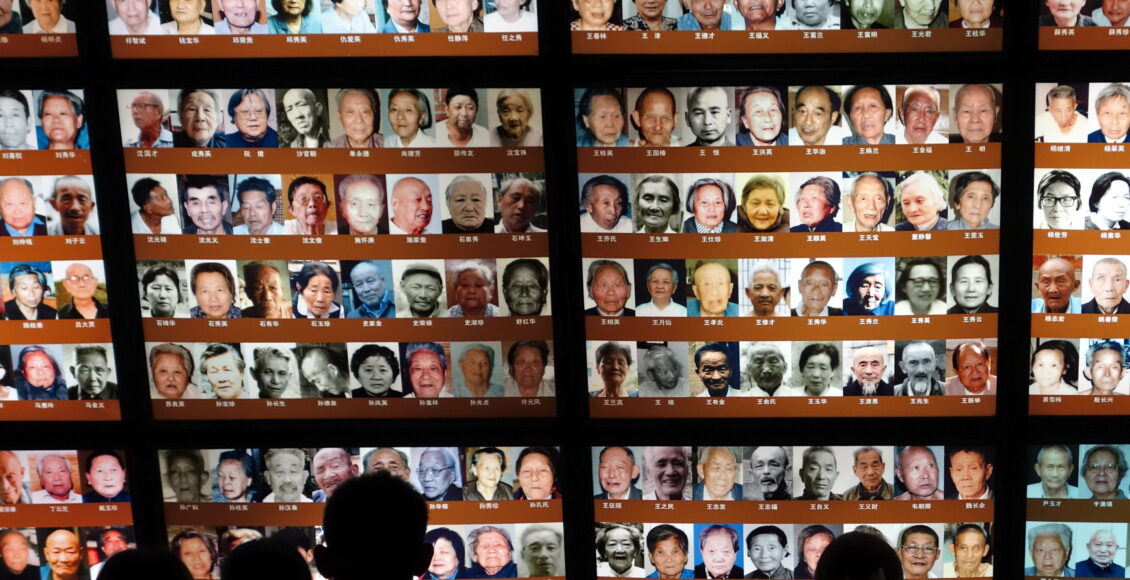
The historical trauma of Japanese occupation, particularly the Nanjing Massacre and the activities of Unit 731, has been greatly institutionalized by the Chinese Communist Party as the moral foundation of its legitimacy. Through education, museums, and national commemorations such as the National Memorial Day for the Nanjing Massacre, wartime memory is embedded directly into state identity.
This institutionalization serves a clear political function. By presenting the Party as the sole defender against “Japanese militarism,” Beijing ties historical victimhood directly to modern political authority.
Beijing’s actions create a diplomatic lock-in. Meaningful de-escalation with Japan risks undermining the nationalist pillar of CCP legitimacy. Historical disputes are not just cultural debates; they are attempts to justify and safeguard the state’s moral foundation. In this system, keeping the “symbolic antagonist” alive is a safer political bet than reconciliation.
Unlike China’s top-down model, South Korea’s memory politics is a bottom-up mobilization driven by civil society organizations and activist networks, particularly around the issue of “comfort women.” The spread of “Statues of Peace,” memorials to wartime sexual slavery—both domestically and internationally—represents more than a demand for reparations; these memorials function as a moral claim deeply rooted in national identity. This reality creates a political environment that frames compromise as betrayal.
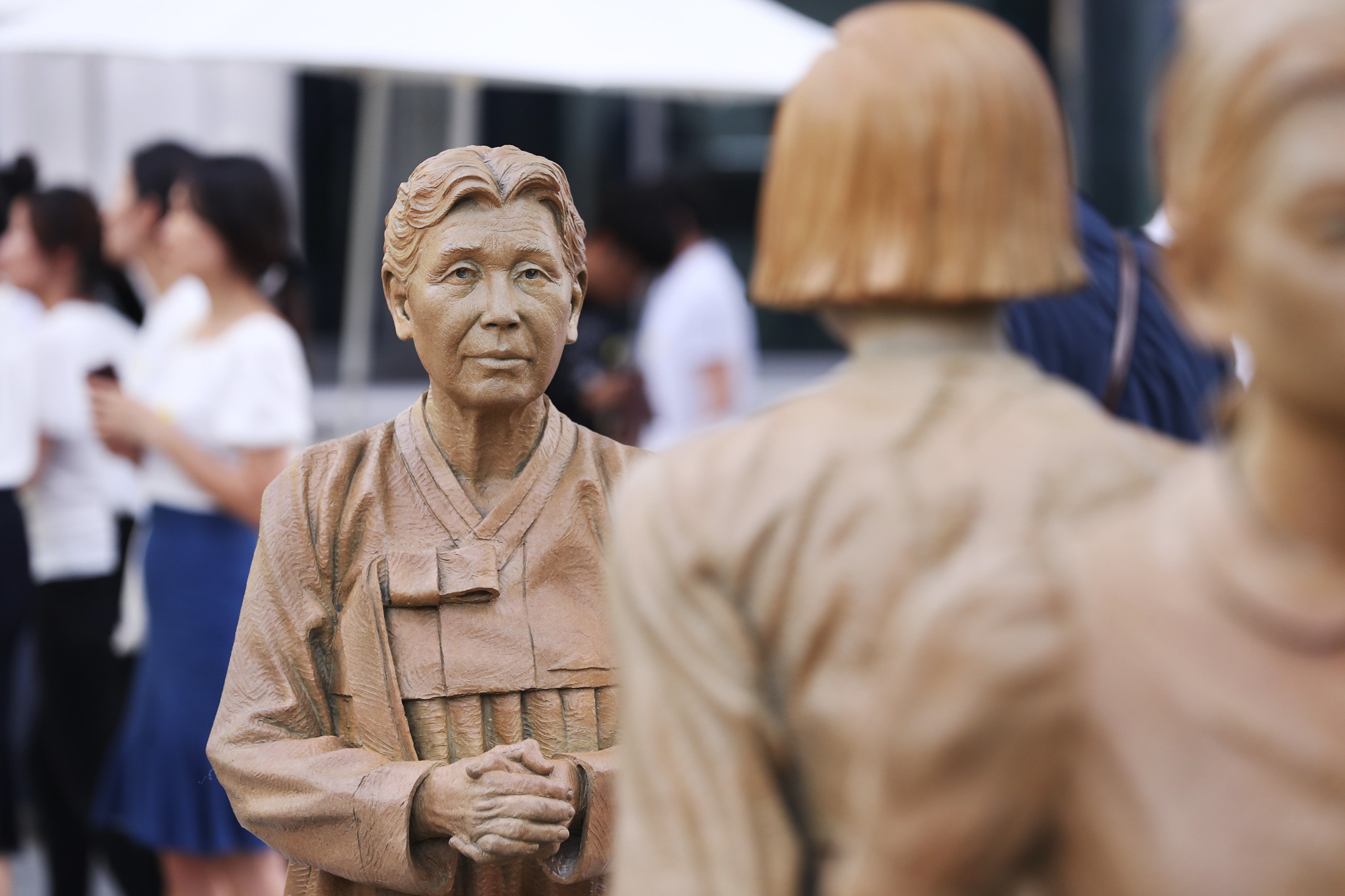
The consequences are tangible. Civil society activists and the broader public rejected the 2015 Comfort Women Agreement after it failed to meet their expectations. For South Korean leaders, concessions on historical issues carry significant electoral risks, effectively constraining diplomatic flexibility regardless of strategic incentives. Seoul will then often prioritize historical justice over pressing security alignment with Japan.
The persistence of these memory mechanisms creates tangible strategic and economic vulnerabilities. Despite shared security concerns, particularly North Korea’s expanding nuclear program, intelligence-sharing and security cooperation between Japan and South Korea remain fragile, as trust is filtered through unresolved historical grievances.
This dynamic was visible in the January 2026 summit between Japanese Prime Minister Sanae Takaichi and South Korean President Lee Jae-myung. The leaders put on a show of unity, but the underlying disputes (from the Sado Gold Mine to the placement of comfort women statues) remained untouched. As Verovšek’s framework predicts, the summit’s communicative logic was directed inward, toward domestic audiences, rather than outward toward genuine reconciliation. In this context, any compromise on historical issues risks domestic backlash, discouraging leaders from making the concessions necessary for durable diplomatic agreements.
As global power dynamics shift, memory politics has also become increasingly salient among younger generations. Digital connectivity hasn’t served as a bridge between the countries; instead, social media has enabled memory-based mobilization, further hardening historical divisions. Memory politics remains one of the most powerful forces shaping East Asian diplomacy. Embedded in domestic political systems, historical memory shapes policy choices, erodes trust, and transforms symbolic disputes into material political consequences through elite division, state-led institutionalization, and civil society mobilization.
Understanding the region’s future requires recognizing that reconciliation is not simply a matter of “moving on” but of restructuring the domestic incentives that keep these ghosts alive. As long as memory politics continues to serve as a source of legitimacy and constraint, East Asia is likely to remain caught between cooperation and confrontation. Whether digital connectivity and generational change can ease these constraints or reinforce them will shape the trajectory of East Asian order in the decades to come.
Edited by Abraham Caplan
Featured image: Nanjing Massacre Memorial Hall by Kevin Dooley is licensed under CC-by-2.0.
