
The Promise of a More Accessible Alzheimer’s Diagnosis
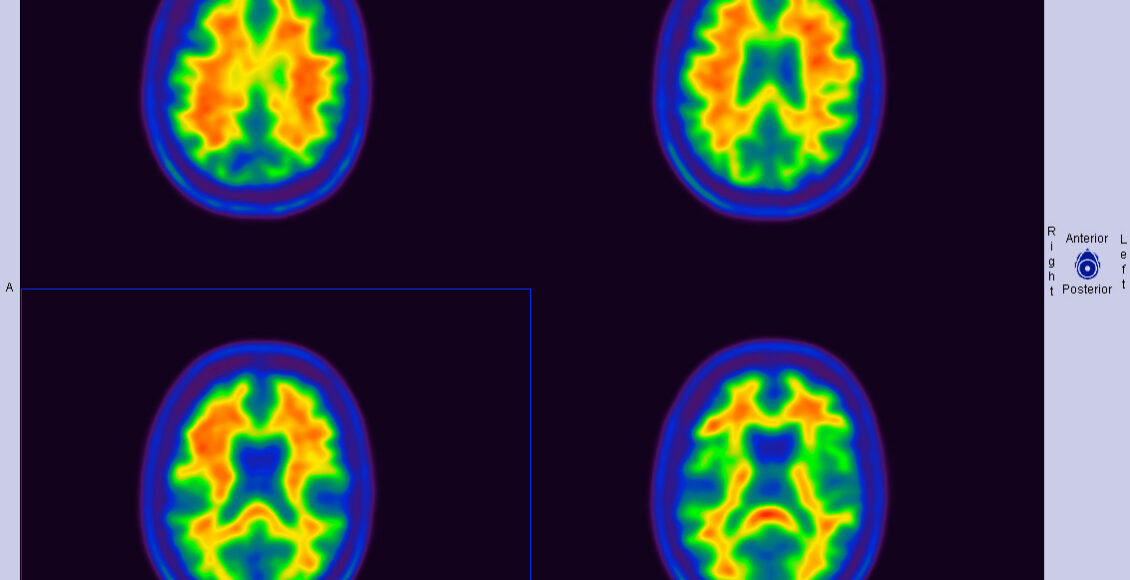
In May 2025, the US Food and Drug Administration (FDA) approved a blood test that can detect early signs of Alzheimer’s disease, transforming a process that originally depended on expensive and inaccessible testing. With approximately 750,000 Canadians affected by Alzheimer’s disease yearly, this change will fundamentally alter the current healthcare system. In the past, Alzheimer’s disease was only confidently diagnosed after death during an autopsy, when plaques and tangles could be observed under a microscope. Then, in the early 2000s, Alzheimer’s could be diagnosed through positron emission tomography (PET) scans and spinal taps, allowing physicians to identify biomarkers for plaques and tangles before death.
In recent years, blood testing has become advanced enough to identify the biomarkers used to diagnose Alzheimer’s. There are two biomarkers that the blood test looks for. The first biomarker is Aβ42/40, which determines the presence of amyloid in the brain. Amyloid is a specific protein fragment that clumps together outside of brain cells to form the Alzheimer’s distinctive plaques. Second, there is p-tau217, which can identify the “tangles” by measuring a protein that is stable in non-diagnosed individuals but twists into toxic “tangles” in patients with Alzheimer’s. This change not only makes an Alzheimer’s diagnosis less medically invasive and physically painful, but it also makes care more equitable.
In Canada, if medical testing for Alzheimer’s is deemed unnecessary, it is not covered by any provincial or private medical insurance. Moreover, an amyloid or metabolic PET scan is currently required to identify Alzheimer’s in patients, which can be difficult to get approved for because it is only ordered if a patient is believed to have a cognitive impairment. PET scan prices range from $1,200 to over $12,000 CAD. Spinal taps are also expensive, costing between $3,000 and $5,000. However, a blood test panel that screens for the necessary biomarkers costs around $600 at clinics like LifeLabs. Thus, while blood testing remains expensive, having the option for a blood test is still more affordable and provides access to those who are not able to get screening covered by insurance.
Moreover, previous Alzheimer’s testing methods have been limited by geography. Given the cost of operating machines and the limited demand for specialists in rural areas, many patients are required to travel significant distances to access diagnostic testing. For instance, in Saskatchewan, the majority of specialists (89 per cent) practice within the province’s two major cities. Blood tests, however, can be performed with significantly less machinery and by general nurses rather than specialists, making care more accessible in rural areas.

Time barriers also posed a substantial access gap in reaching care before this new blood test. Wait times for PET scans and spinal taps, particularly when deemed medically unnecessary, can take months. This wait period could be critical to those in need of care, as many antibody drugs like Lecanemab (Leqembi) and Donanemab are particularly helpful in the early stages of cognitive impairment. This is in contrast to blood tests, which often require shorter wait periods.
Whilst there are various arguments as to why the blood test can provide a more equitable approach to Alzheimer’s diagnosis, these arguments are not without limitations. One issue is that the test is only cleared for patients aged 55 and above who are already showing cognitive symptoms. Since it is not a general screening tool, it doesn’t reach asymptomatic or younger at-risk populations. Additionally, tests have given false results. While any medical testing has room for error, there have been a noticeable number of errors with the blood test. For instance, one test (Lumipulse) faced an FDA Class II recall in early 2026 due to “overdiagnosing false positives”. Ultimately, the blood test has not been tested on a diverse group of individuals. This poses a critical gap in its efficacy because women and minority populations can react differently and experience different biomarkers than the so-called typical test subject. Hence, as the medical field continues to disclose more of these inaccuracies, it is important to apply this understanding to all methods used, including the Alzheimer’s blood testing panel.
Still, this blood test is a meaningful step to more equitable medical care. By removing many of the financial, geographic, and time-related barriers that once defined access to care, it enables more patients who would have previously gone undiagnosed to receive treatment for Alzheimer’s. However, equity in access does not equate to a perfect medical solution. There are many drawbacks and issues the blood test diagnostic is yet to overcome. Moving forward, this new testing needs various improvements, such as a more diverse control group to ensure improved accuracy, but it still offers the promise of equity as the underlying science continues to improve.
Edited by Eliot Mudry Danisch
Featured Image: Scan of normal brain slices. Photo by Florey Institute is licensed under CC BY-NC-ND 2.0.
