
Welcome to Unplanned America: What’s at Stake in the Fight Over Planned Parenthood
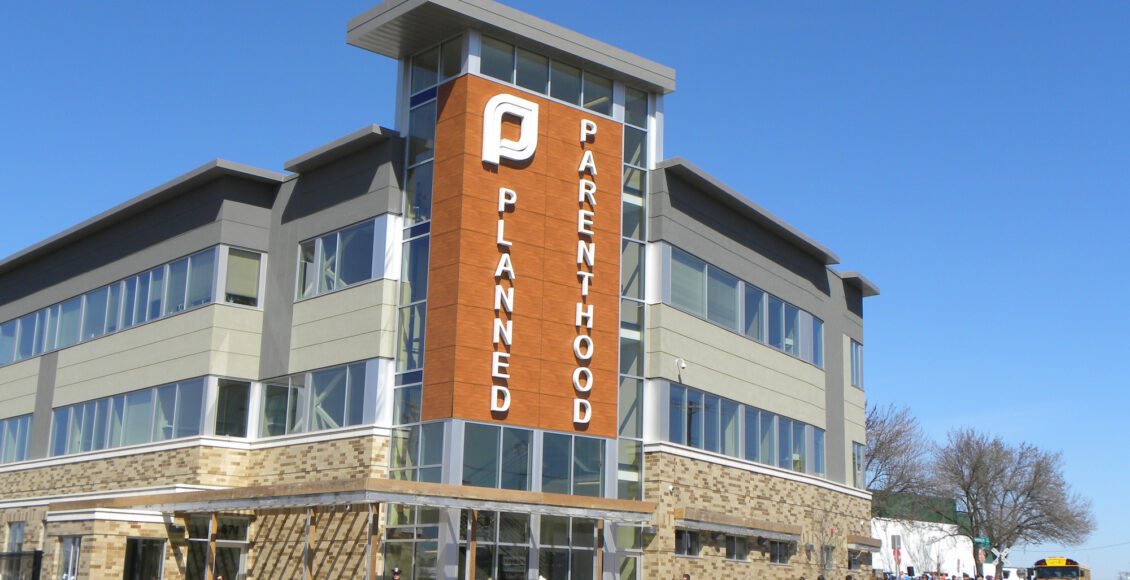
Having operated for over 100 years, Planned Parenthood is no stranger to pushback and controversy. But today, the organization faces an unprecedented threat—one that could impact not only its two million patients, but the broader contours of American society.
Since 1916, Planned Parenthood has cemented its impact as North America’s leading provider of sexual and reproductive healthcare. Over time, the organization has expanded to offer over nine million services, including family planning, abortion clinics, comprehensive sexual education, gender affirming care, cancer screenings, and community outreach. At the start of 2025, Planned Parenthood operated nearly 600 clinics across the US, acting as a lifeline for individuals regardless of race, gender, ethnicity, or socioeconomic status. However, due to guidelines recently imposed by the Trump administration, this lifeline is at risk of being severed.
After nearly a decade of vilification, in the spring of 2025, the Trump administration embarked on a concerted effort to halt Planned Parenthood’s operations. In March, the administration announced a freeze of nearly $35 million USD in funds for Title X—a federal grant program supporting family planning services of which Planned Parenthood had been a beneficiary. As a result of this enormous funding cut, nine Planned Parenthood locations did not receive scheduled payments. Worse, in May, House Republicans voted to cease funding to Planned Parenthood as a part of the Big Beautiful Bill, which supports one of the largest Medicaid funding cuts in modern history, totalling approximately $700 billion USD.
The projected plummet in funding for both Title X and Medicaid will be catastrophic for Planned Parenthood and the one in four Americans who rely on its services. One-third of Planned Parenthood’s annual revenue derives from state and government funding—most notably, Title X and Medicaid. The sudden retraction of funding toward these programs leaves over 100 Planned Parenthood clinics without any government funding and 200 branch operations at risk of closure.
When people think of Planned Parenthood, abortion is often the first service that comes to mind. However, abortion services only account for four per cent of all health services provided by the organization. This is largely due to the Hyde Amendment, which asserts that federal funds can only go towards abortion care in cases of rape, incest, or life-threatening situations. The implications of ceased funding toward Planned Parenthood are therefore widespread and catastrophic, extending far beyond abortion access. In fact, a 2015 survey of health, social services, and Medicaid agencies across the US found that Medicaid accounted for 75 per cent of all publicly funded family planning expenditures, including contraception, STI testing, and fertility counselling. At its core, the Trump administration’s defunding attacks aim to–and will–deny individuals basic preventative healthcare services.
Already, numerous locations that serve thousands of individuals have been forced to shut down. For instance, despite efforts to save clinics across Michigan that serve the state’s most vulnerable communities, Planned Parenthood Michigan had no choice but to close a location in the state’s Upper Peninsula this past spring. Similarly, following Title X funding cuts, Planned Parenthood of Greater New York announced its plans in March 2025 to list its Manhattan clinic for sale, which would leave the organization with “zero presence in the borough where it was founded a century ago.” Michigan and New York are merely two examples of a broader, troubling trend—over 20 Planned Parenthood clinics are anticipated to close by the end of 2025, and it is no surprise that the brunt of this burden will fall on already-marginalized groups.
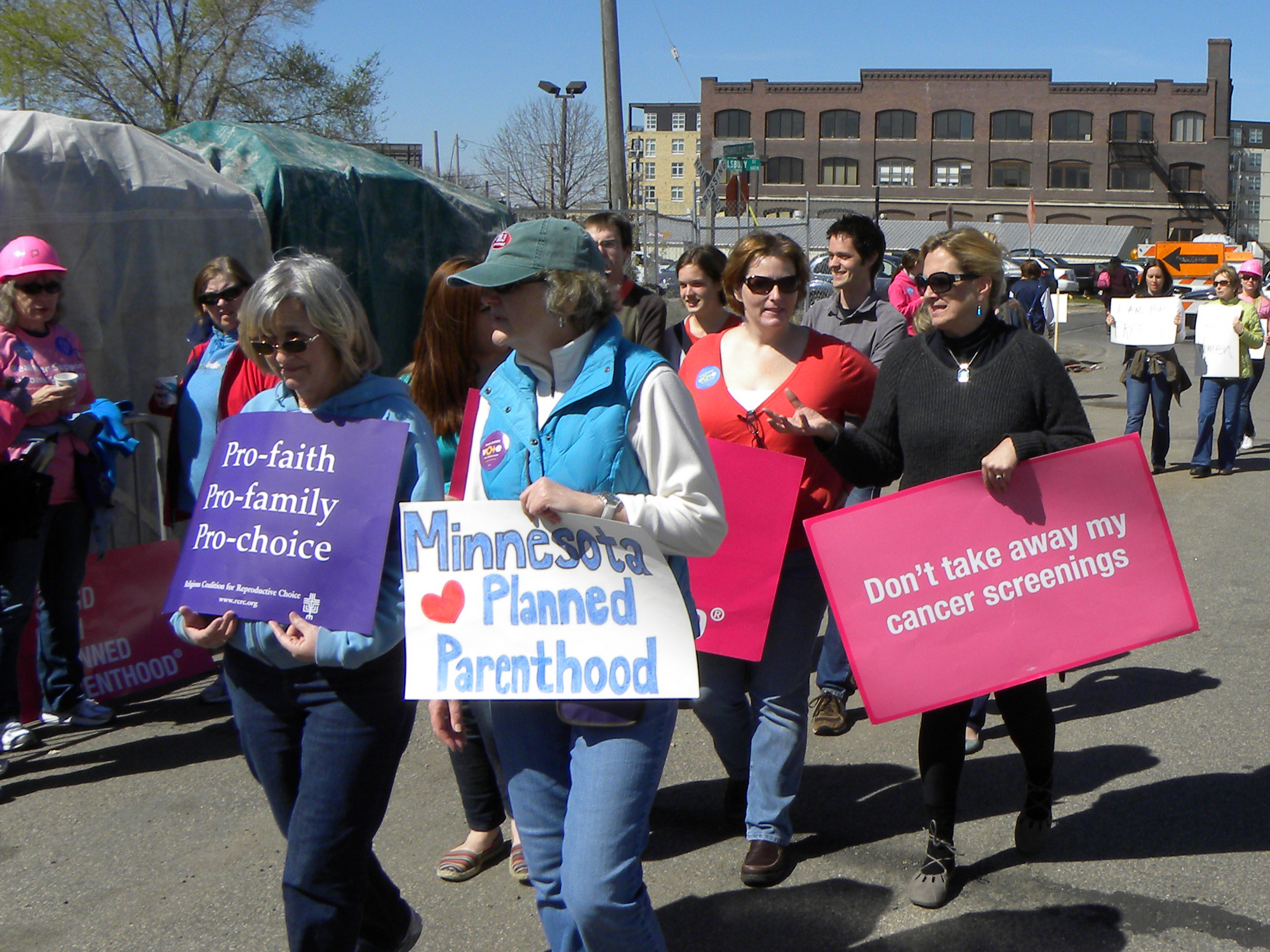
Trump’s funding cuts toward Planned Parenthood will disproportionately impact women of colour. Nearly half of all Black women in the US have used Planned Parenthood, encouraged by the organization’s outreach efforts to the Black community. Planned Parenthood has fostered long-standing partnerships with Black communities across the US, reflecting its commitment to supporting vulnerable populations who face heightened barriers to accessing health care services. One need look no further than Texas’s 2013 House Bill 2, which eliminated Planned Parenthood funding from the state’s Medicaid program, to understand how national rollbacks on Planned Parenthood funding will disproportionately impact communities of colour. The law’s effects on vulnerable populations have ranged from increased costs and travel distances to receive reproductive healthcare to greater reliance on less-effective methods of contraception. Worse, maternal mortality rates, which are already heightened in abortion-restricted states, are observed most frequently among racial minorities. For example, maternal deaths were 20 per cent higher among Black individuals and 31 per cent higher among Hispanic individuals in abortion-restricted states. Since there was—and remains to be—no alternate major group of health centres actively helping vulnerable communities in these areas, the potential nationwide loss of Planned Parenthood is highly concerning.
Luckily, all hope is not lost. Acknowledging the potentially catastrophic impact of losing Planned Parenthood, federal judge Indira Talwani temporarily blocked the Trump administration from discontinuing Medicaid funding for Planned Parenthood in early July. The ruling followed a lawsuit filed by the Planned Parenthood Federation of America, alongside the Massachusetts and Utah affiliates, arguing that the administration’s actions violated constitutional protections. The temporary order remained in place until July 21, 2025. In the coming months, Judge Talwani will hear arguments as to whether or not the pause on the provision should be extended. Meanwhile, Planned Parenthood continues to employ legal and outreach methods to fight for equal access to healthcare across the US.
The Planned Parenthood crisis is not an abortion debate, nor solely a gender equality issue. Rather, the jeopardization of Planned Parenthood is a threat to anyone who believes in the fundamental rights to physical and mental health, education, and inclusive protections for all people. While the future of Planned Parenthood is uncertain, what remains clear is its pivotal role in safeguarding reproductive health and autonomy across the US.
Edited by Marina Gallo.
Featured image: “Planned Parenthood in St. Paul” by Fibonacci Blue is licensed under CC BY 2.0.
